
A-Type vs H-Type Layer Cages: Choosing the Right System
Compare space, capacity, automation and management requirements before selecting a commercial layer cage system.

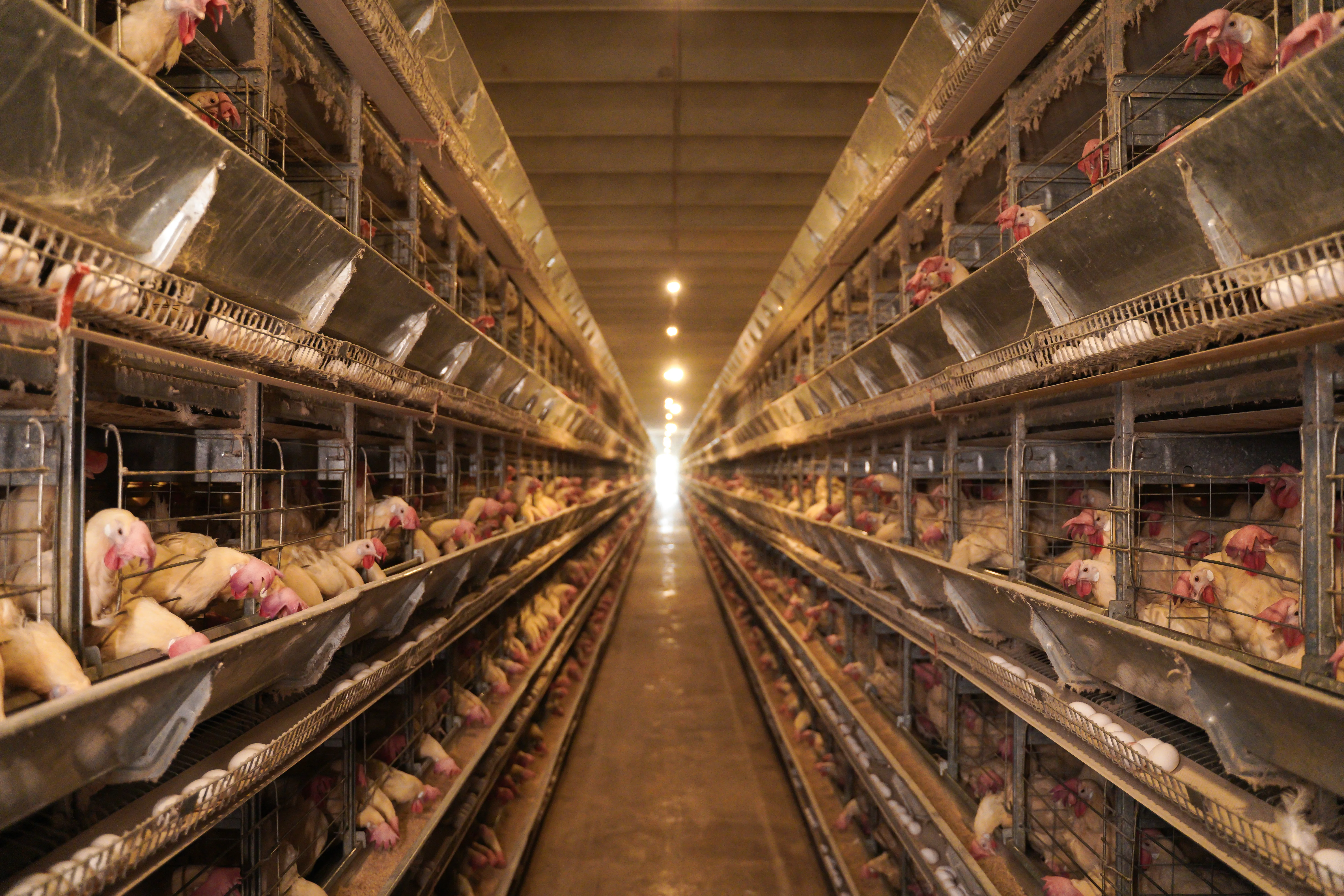
A cage system shapes labour, airflow, egg movement, manure handling and future expansion. The right choice starts with the poultry house and operating plan—not a catalogue preference.
A-Type cages: practical access and flexible entry
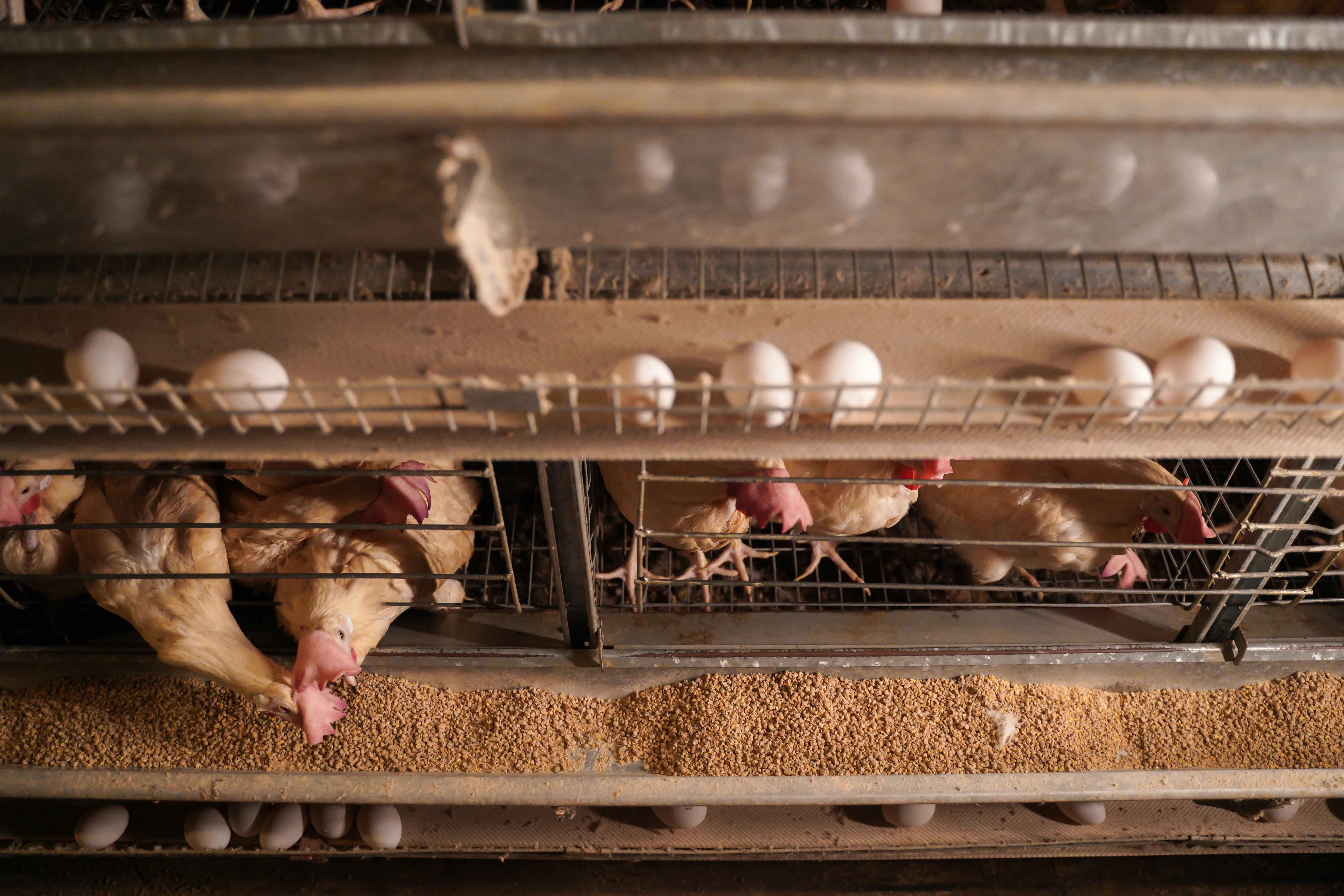
A-Type systems use a stepped arrangement that gives farm teams direct visual and physical access to each tier. They can suit commercial layer farms seeking a simpler equipment layout, lower initial automation and straightforward daily inspection.
House width, aisle allowance and planned bird density should be checked together because the stepped profile uses more floor width per row than a vertical system.
Better equipment decisions begin with the measurable conditions and daily routines of the farm.
H-Type cages: vertical capacity with integrated automation
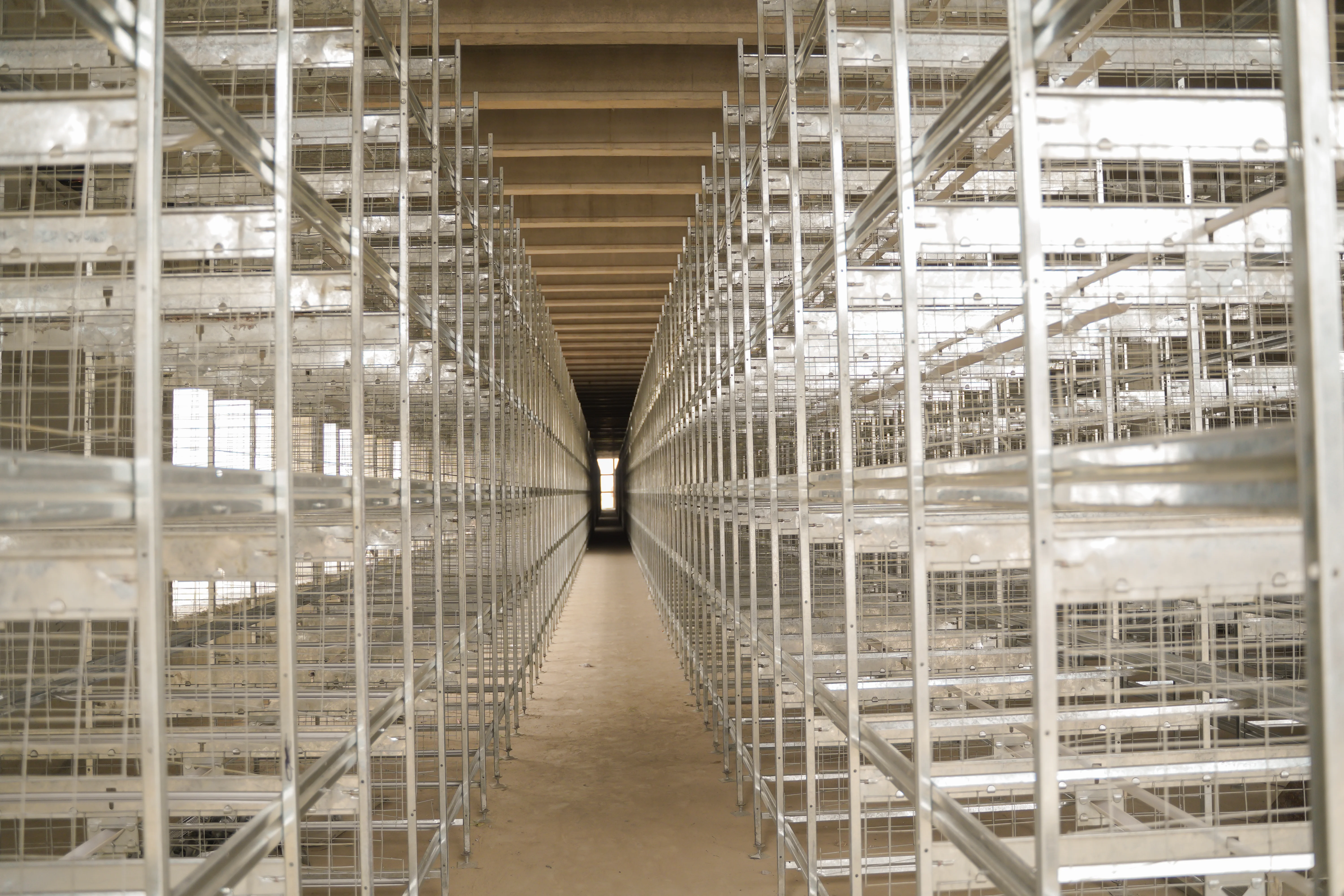
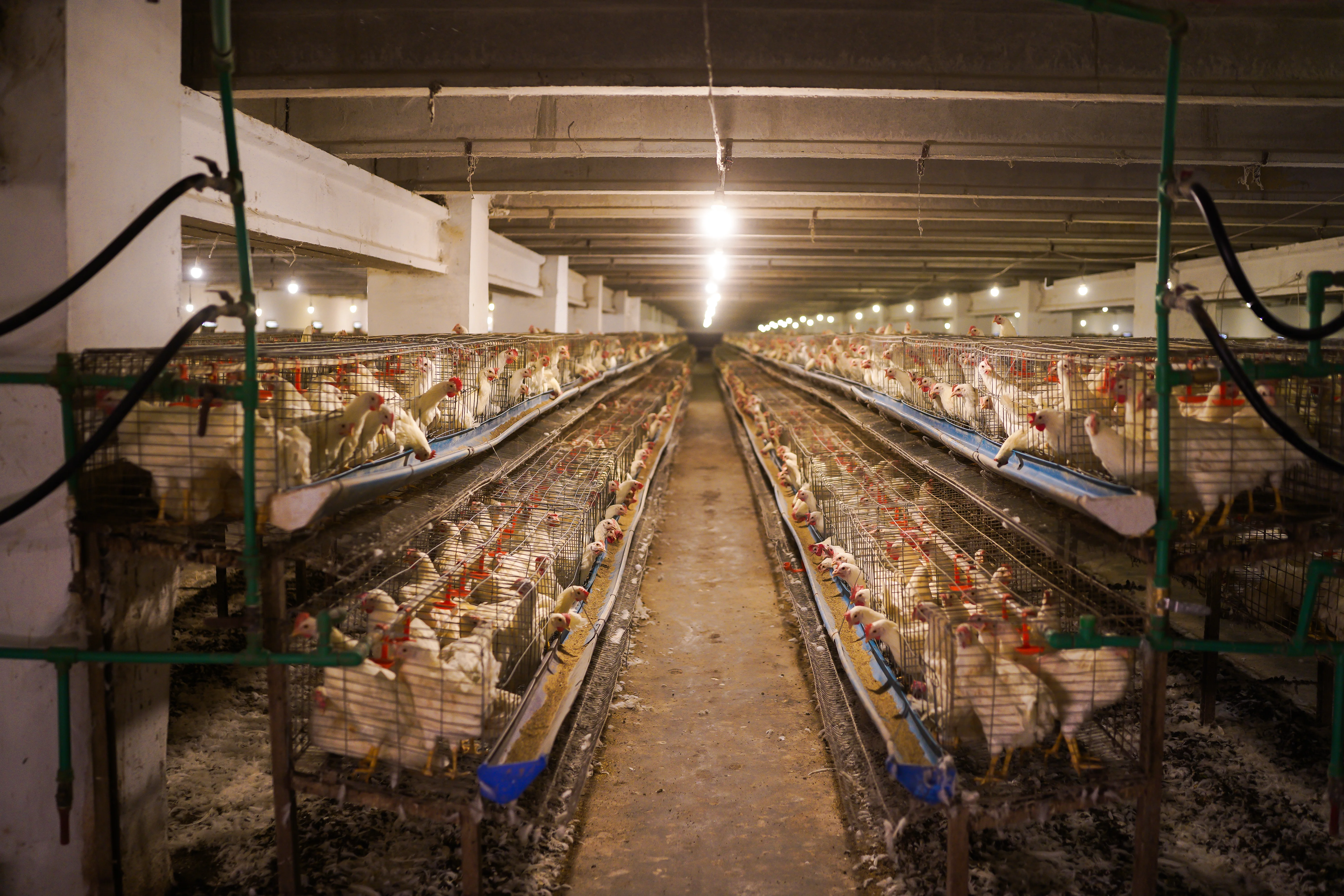
H-Type systems stack tiers vertically to use building volume efficiently. They are commonly considered for higher-capacity projects where automatic feeding, egg collection and manure removal will operate as one coordinated system.
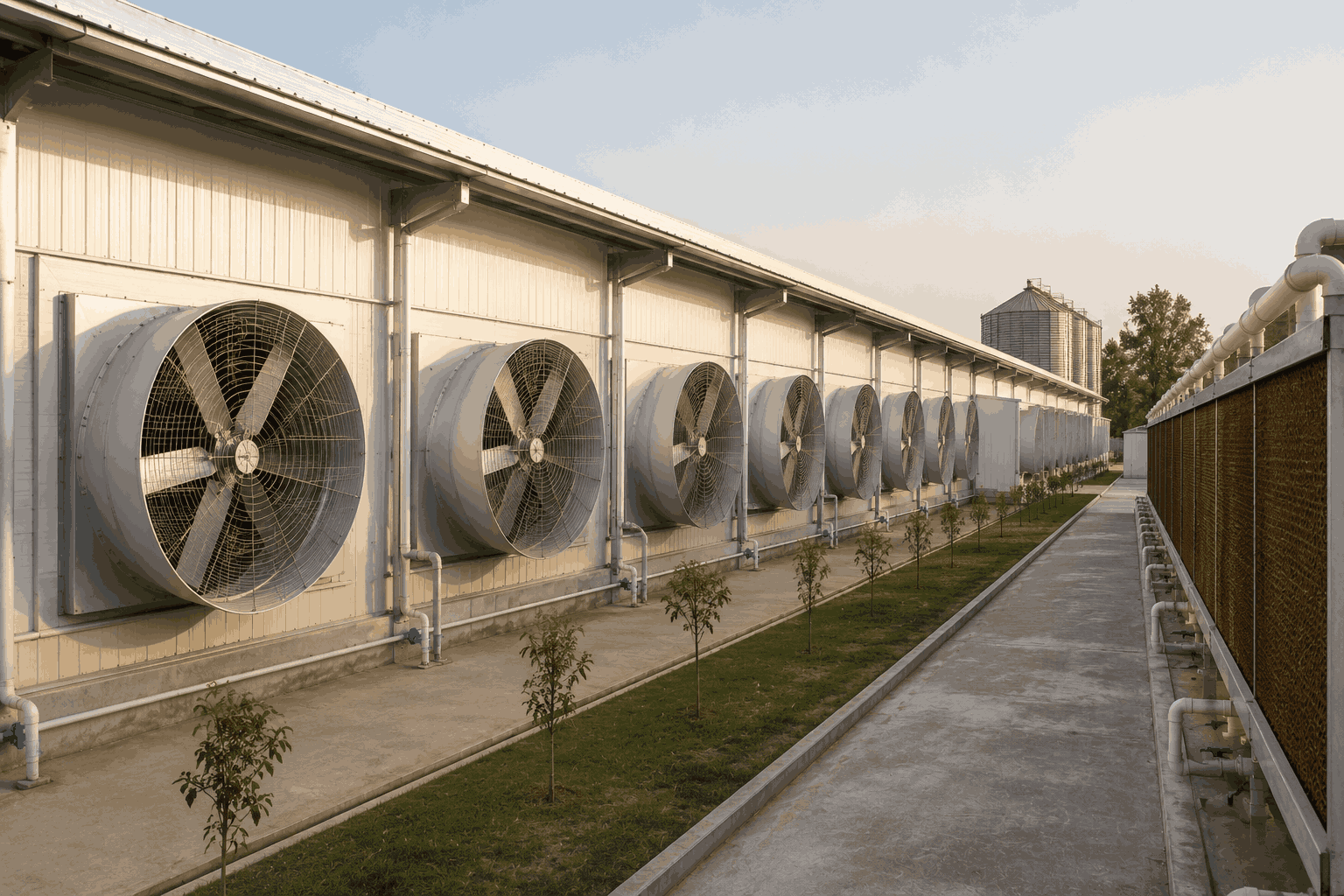
Higher equipment density increases the importance of ventilation calculations, backup power, maintenance access and trained operators.
Choose by operating model, not capacity alone
Compare investment level, labour availability, utility reliability, expansion plans and the speed at which the team can respond to equipment alarms or maintenance needs.
Practical checklist
- Confirm house dimensions and target capacity
- Define the required automation level
- Plan feed, water, egg and manure movement together
- Allow practical access for cleaning and service
Putting this guidance into practice
Use these points as a structured starting place, then confirm decisions against flock capacity, poultry-house dimensions, local conditions and the routines your team can maintain consistently.
For equipment-related decisions, document the operating requirement first and compare solutions against service access, reliability and long-term farm use.
Share your poultry house dimensions and production target.
Our team can help identify the equipment questions worth resolving first.
Ask an equipment specialistContinue with a connected topic.
Selected reading to help you connect equipment, farm planning and everyday poultry management.
 Layer Housing
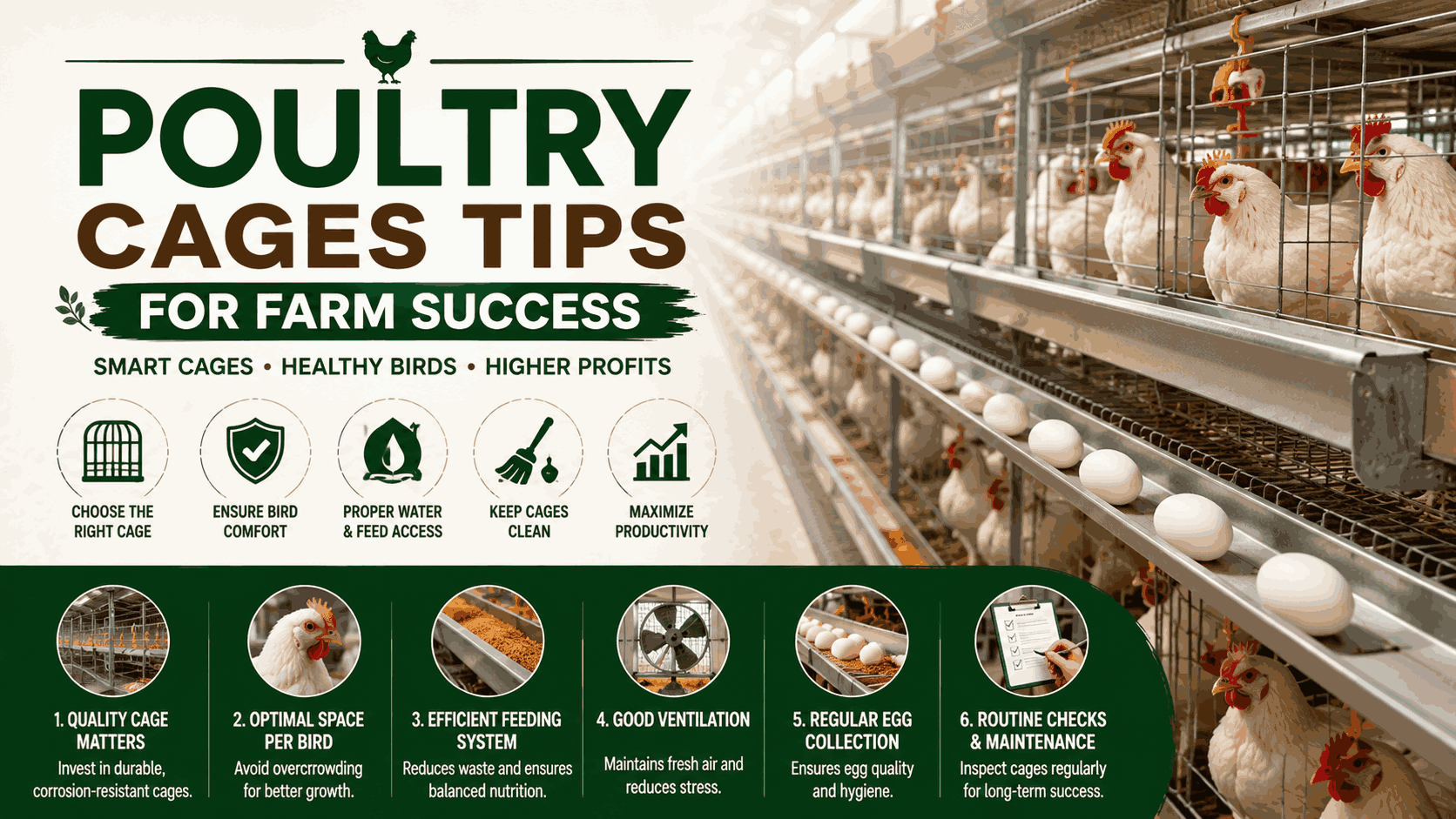
Poultry Cage Planning Tips for Farm Success
Read article Climate Control
Poultry House Ventilation for Pakistan’s Climate
Read article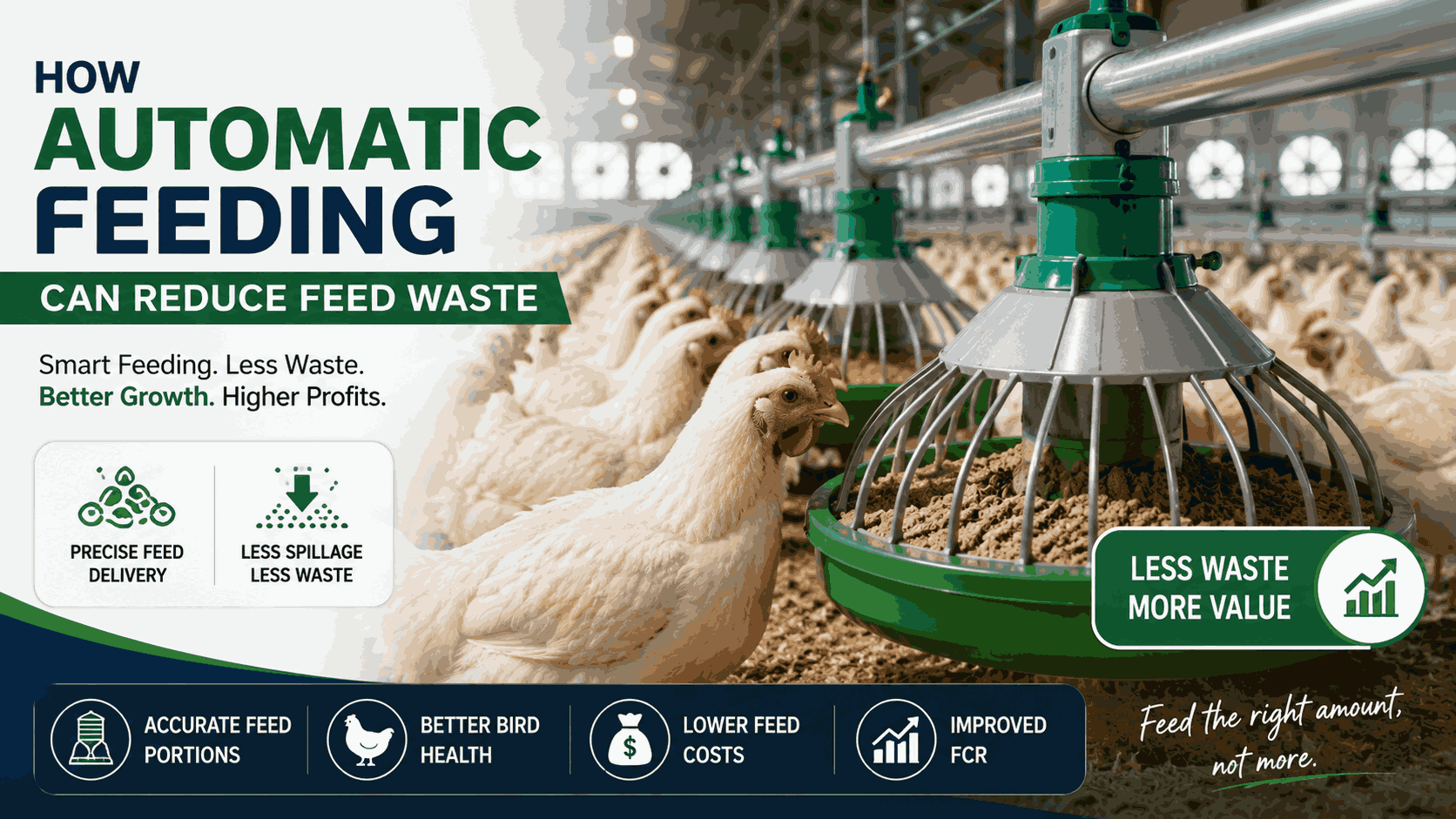 Feeding Systems
How Automatic Feeding Can Reduce Feed Waste
Read article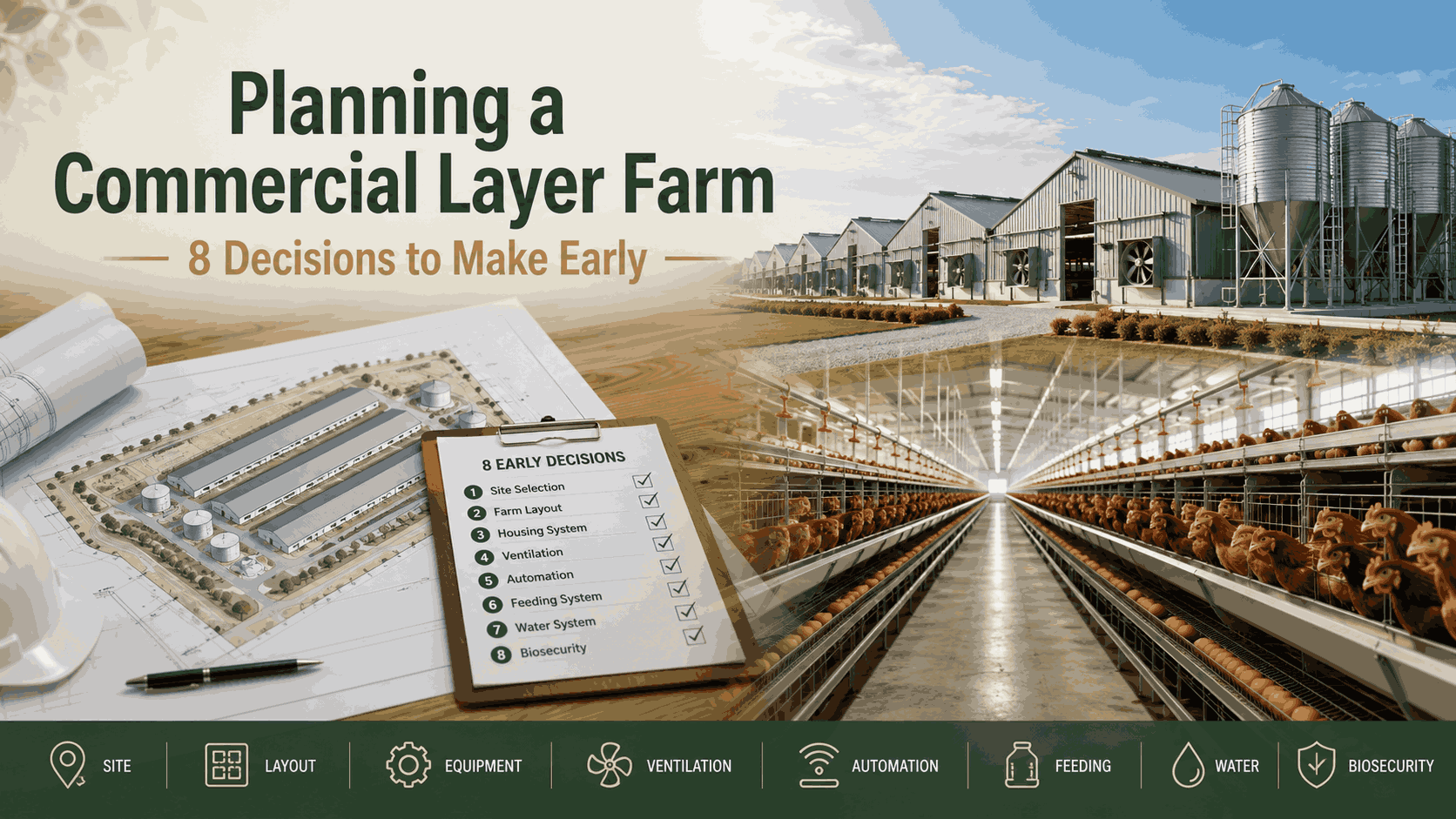 Farm Planning
Planning a Commercial Layer Farm: Eight Early Decisions
Read article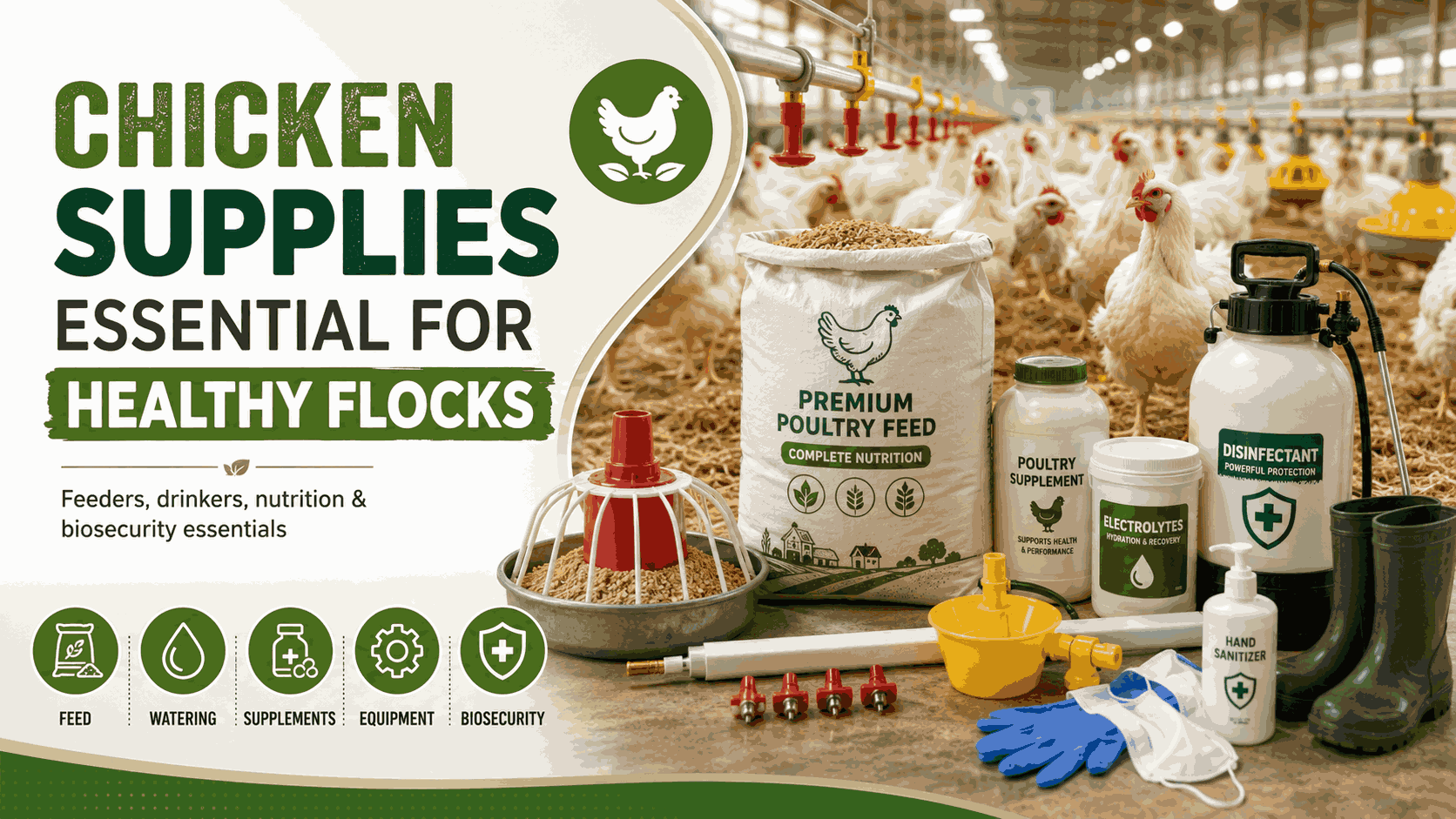 Farm Essentials
Essential Poultry Supplies for a Healthy, Manageable Flock
Read article Poultry Nutrition