
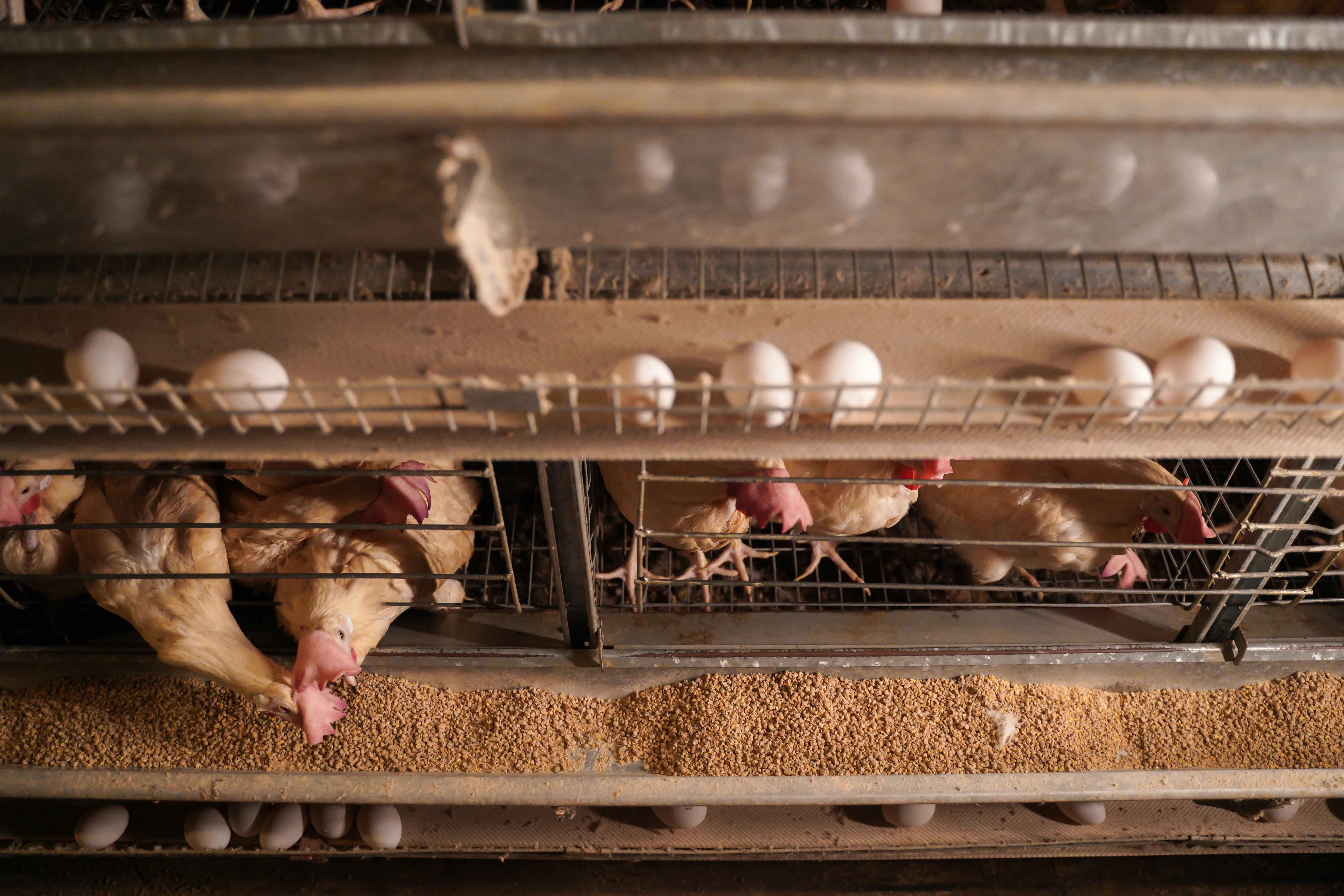
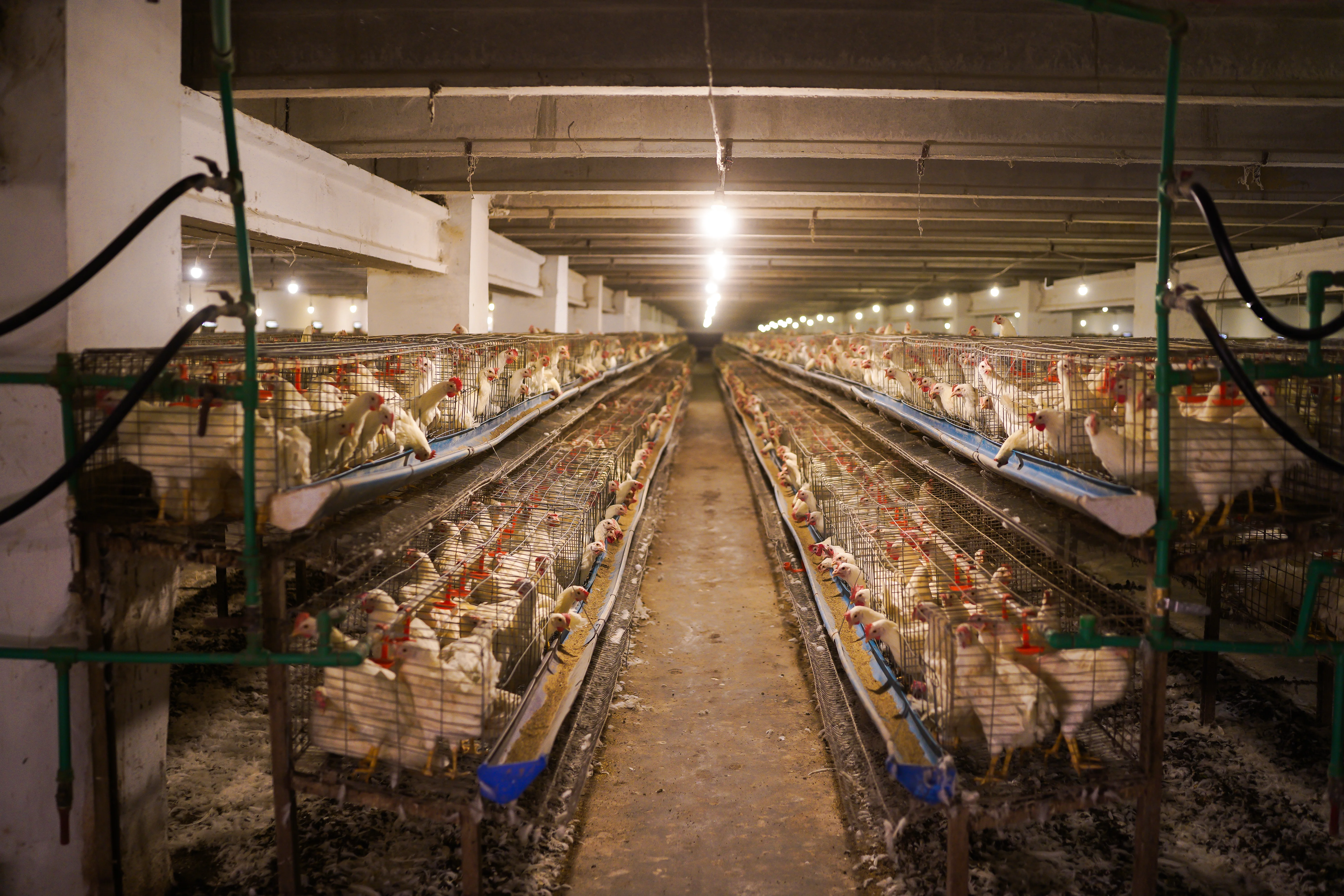
How Automatic Feeding Can Reduce Feed Waste
See how equipment layout, calibration and operating routines improve feed distribution across commercial poultry houses.
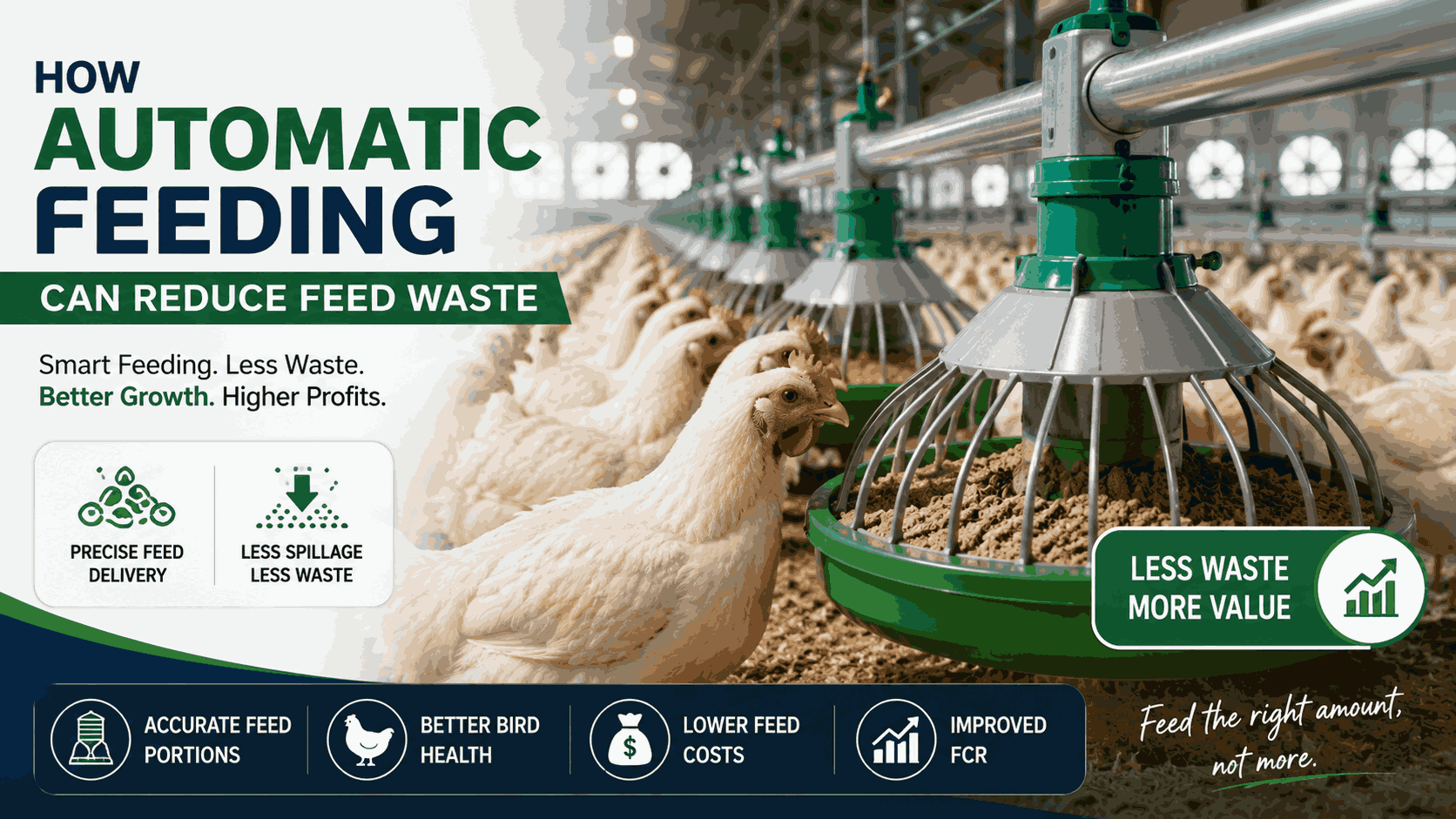
Automatic feeding improves consistency when hoppers, conveying routes, trough levels and run schedules are matched to the flock and maintained correctly.
Map the complete feed route
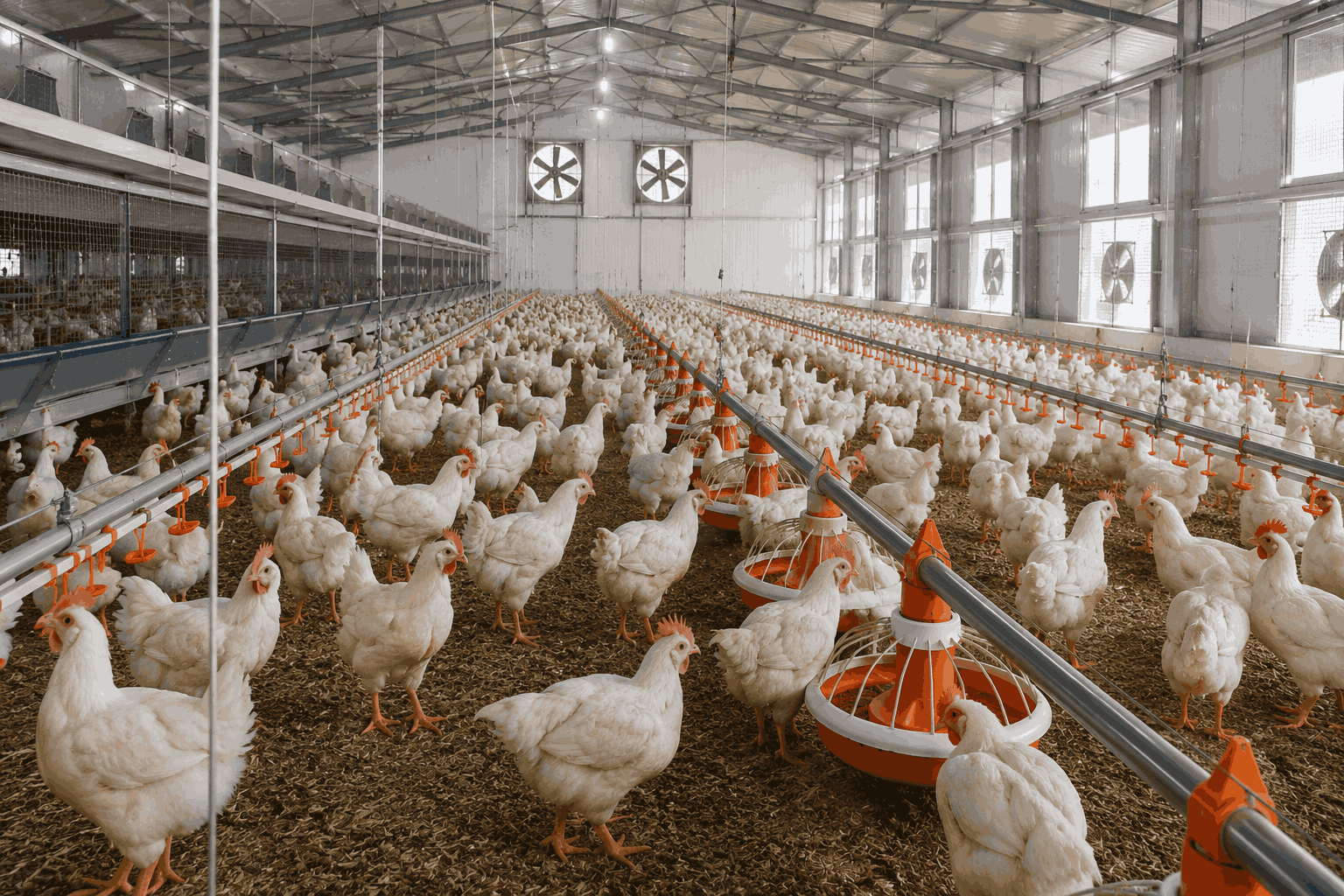
Review delivery from the external silo or storage point through augers, hoppers, chains and final trough access. Every transfer point should be sized for the required flow and positioned for inspection.
Sharp transitions, worn components and poorly aligned troughs create spillage or uneven distribution that automation cannot correct by itself.
Better equipment decisions begin with the measurable conditions and daily routines of the farm.
Calibrate quantity and timing
Set feed depth and operating cycles according to bird age, house length and feeding behaviour. Observe the beginning and end of each line to confirm that birds receive a comparable opportunity.
Frequent short runs may suit one layout while longer cycles may suit another; measurement and observation should guide the schedule.
Use maintenance data to control loss
Record motor load, chain tension, spill points and unusual noise. Small changes can reveal wear before a breakdown or significant feed loss occurs.
Practical checklist
- Inspect trough alignment
- Remove accumulated feed beneath transfer points
- Check drive and tension components
- Compare delivered feed with flock consumption records
Putting this guidance into practice
Use these points as a structured starting place, then confirm decisions against flock capacity, poultry-house dimensions, local conditions and the routines your team can maintain consistently.
For equipment-related decisions, document the operating requirement first and compare solutions against service access, reliability and long-term farm use.
Share your poultry house dimensions and production target.
Our team can help identify the equipment questions worth resolving first.
Ask an equipment specialistContinue with a connected topic.
Selected reading to help you connect equipment, farm planning and everyday poultry management.
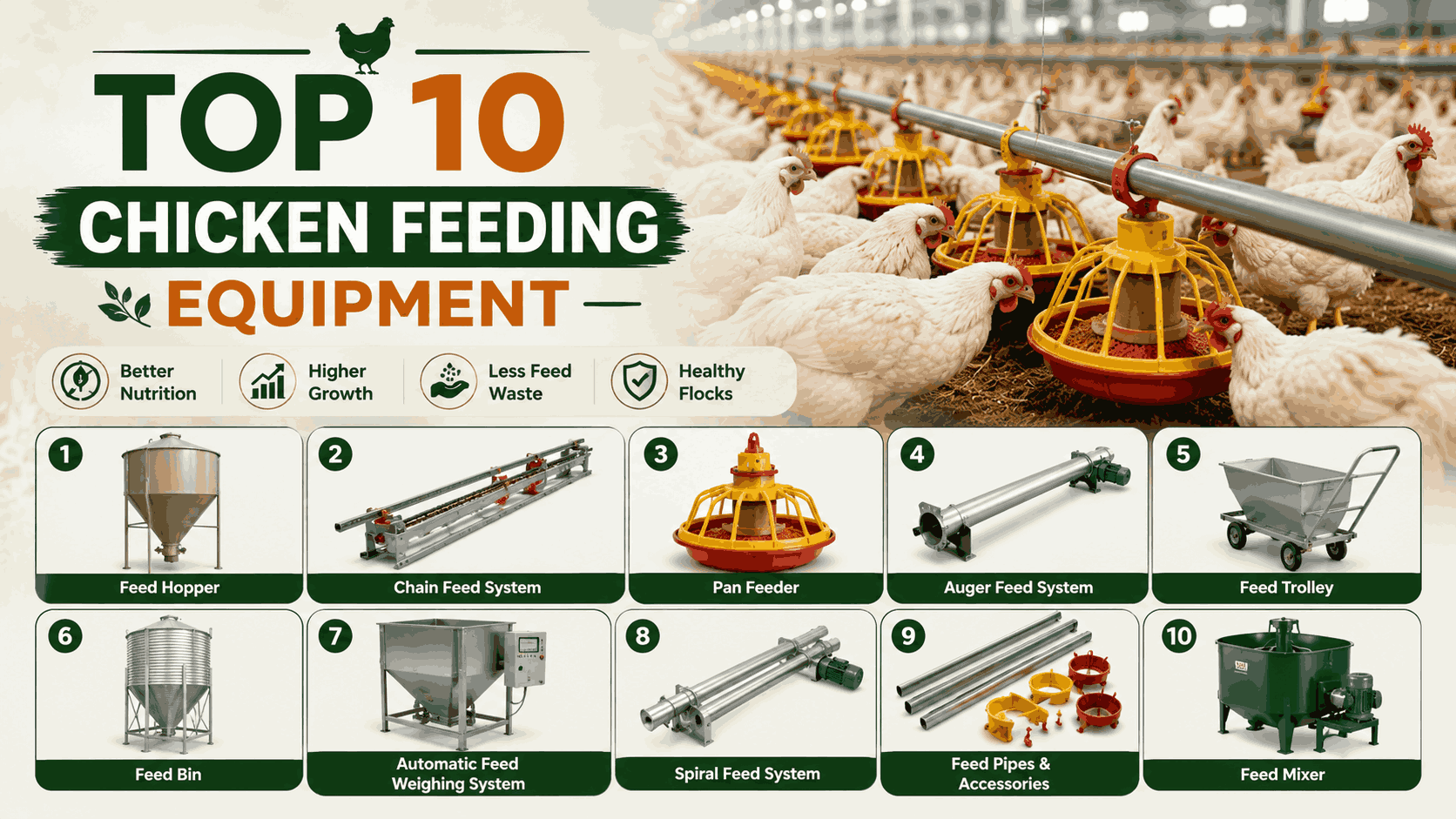 Feeding Systems
Ten Types of Poultry Feeding Equipment and Their Uses
Read article Layer Housing
A-Type vs H-Type Layer Cages: Choosing the Right System
Read article Climate Control
Poultry House Ventilation for Pakistan’s Climate
Read article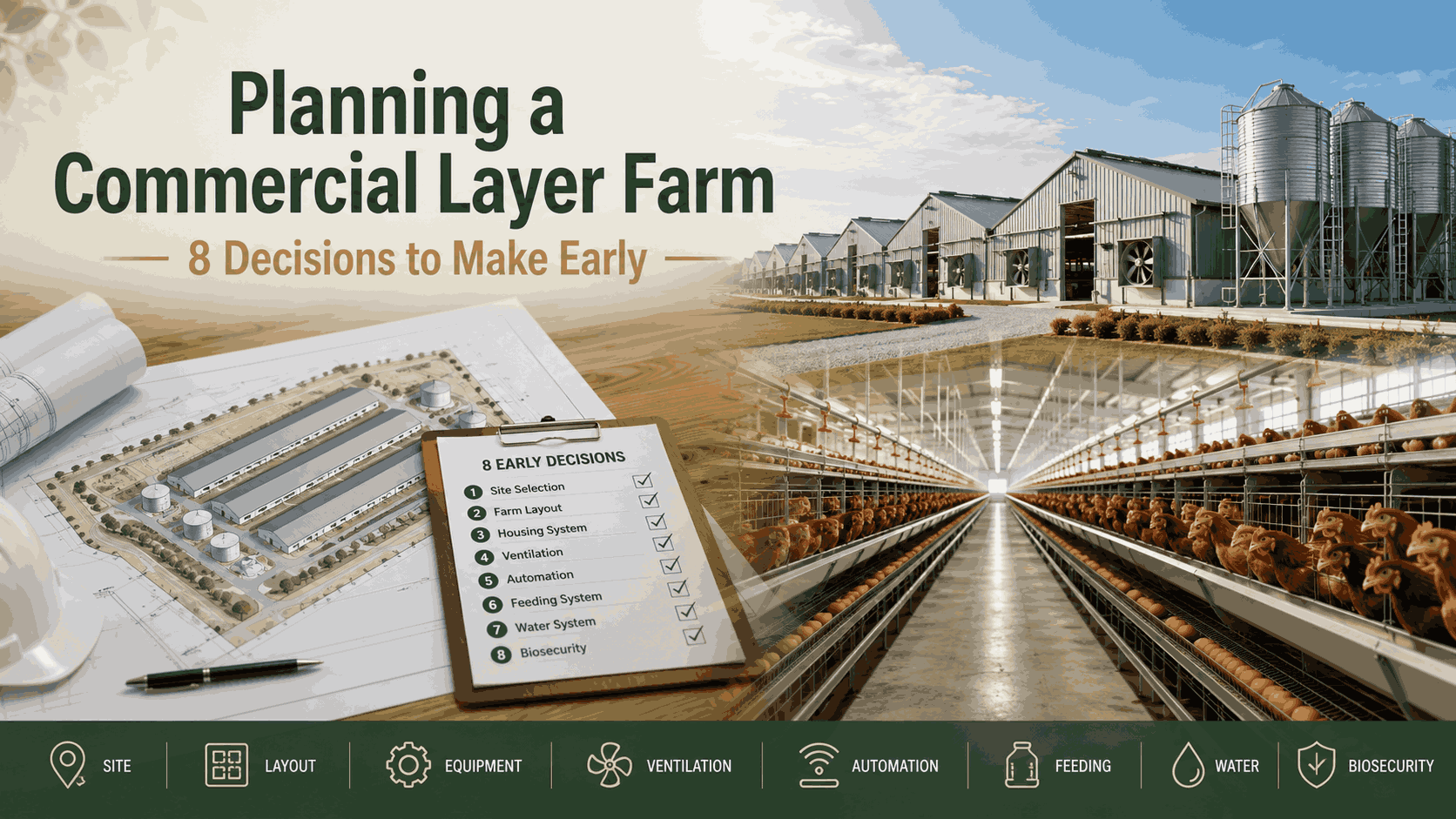 Farm Planning
Planning a Commercial Layer Farm: Eight Early Decisions
Read article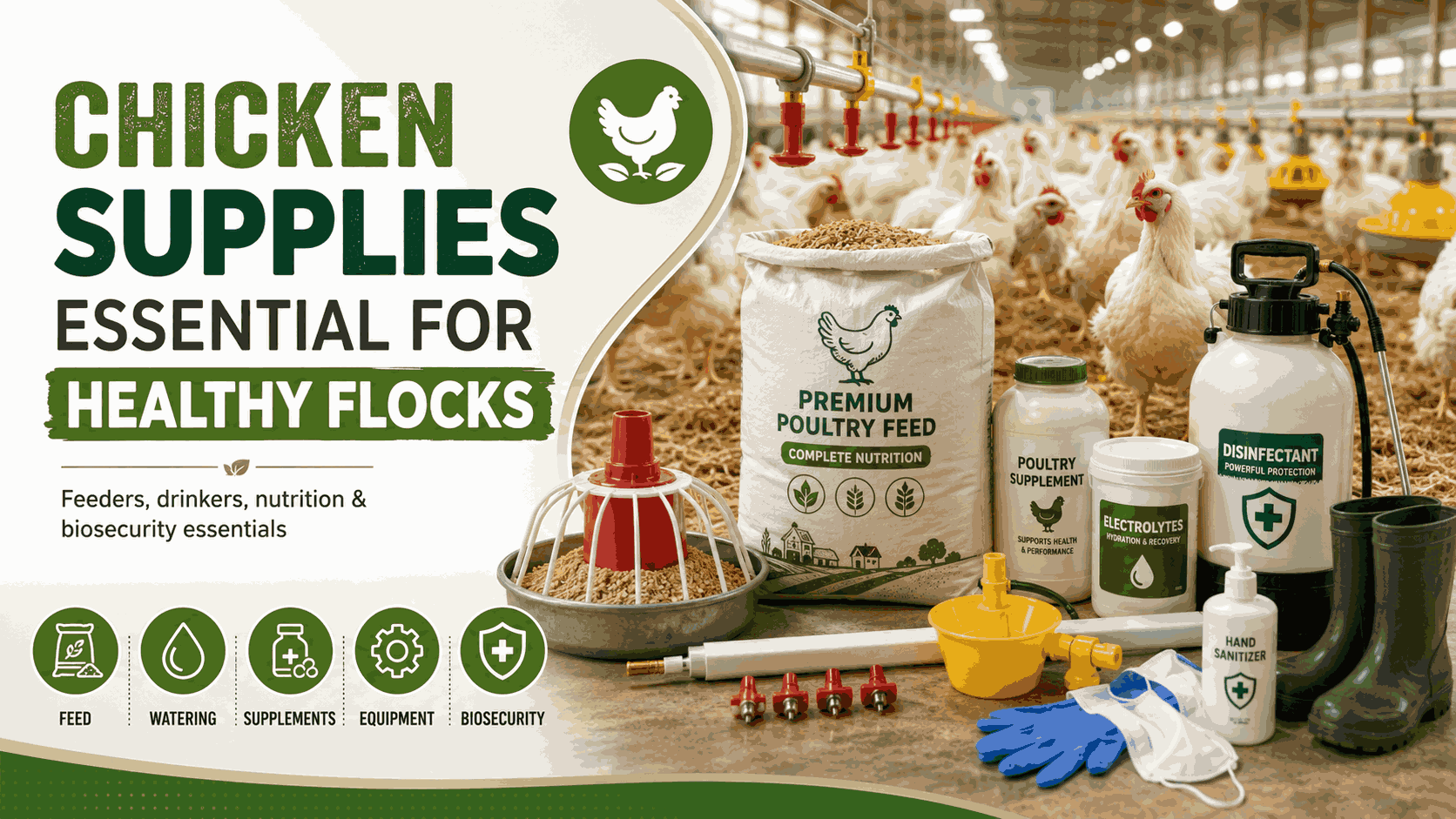 Farm Essentials
Essential Poultry Supplies for a Healthy, Manageable Flock
Read article Poultry Nutrition