
Calcium for Laying Hens: Safe Sources and Feeding Control
Understand calcium sources, preparation and the limits of homemade supplementation for laying hens.
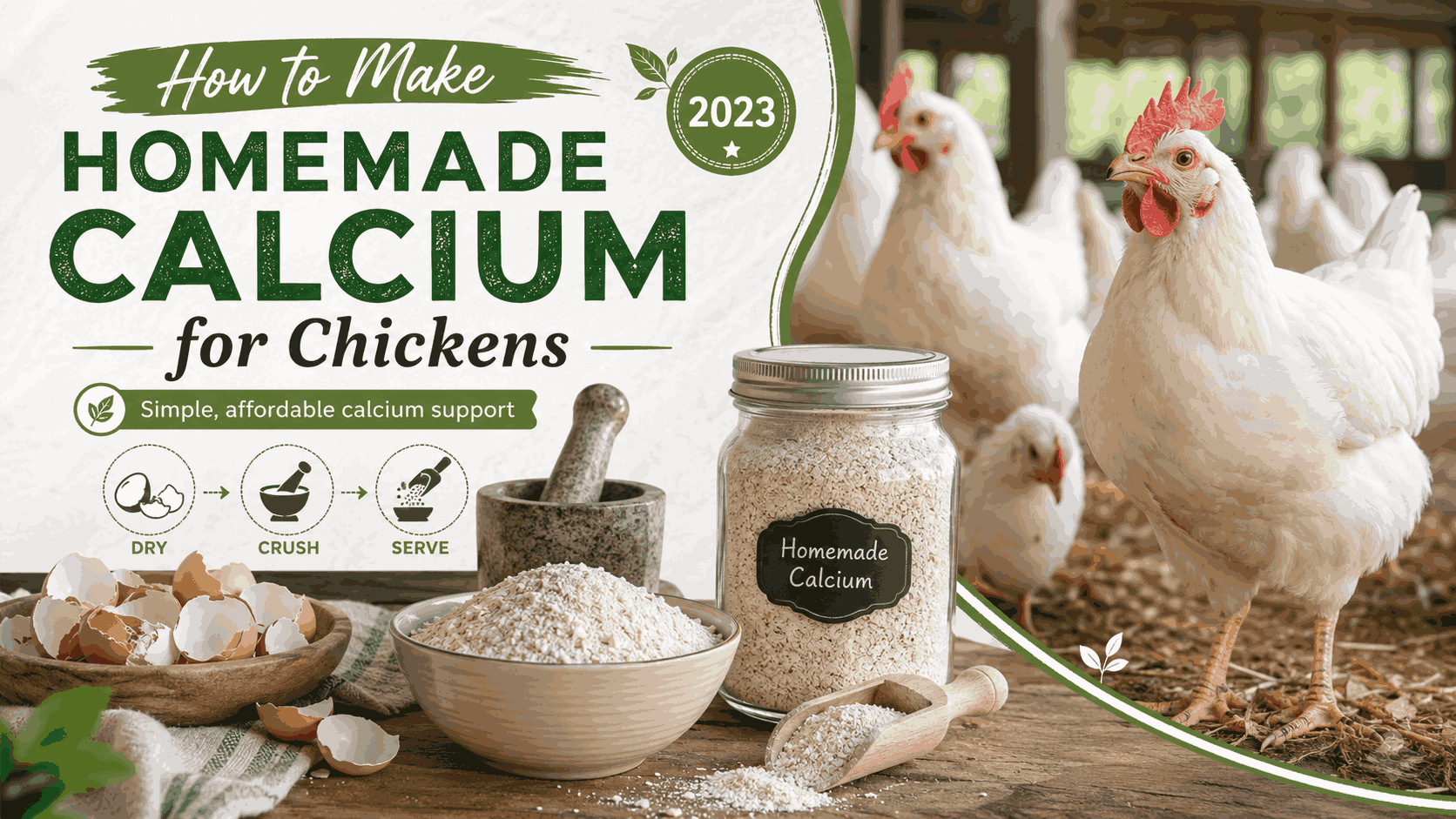
Calcium supports eggshell formation and skeletal health, but supplementation must complement a balanced ration rather than replace professional feed formulation.
Why calcium balance matters
Laying hens require calcium alongside phosphorus, vitamin D and adequate energy. Weak shells can have several causes, including nutrition, heat stress, disease, bird age or inconsistent feed intake.
Assess the complete flock and ration before assuming that more calcium is the only answer.
Better decisions begin with measurable farm conditions and routines your team can maintain.
Preparing clean eggshell calcium
Households sometimes wash, dry and heat eggshells before crushing them into small particles. This reduces contamination risk and makes the material easier to handle.
Homemade material should be kept dry and separate from the balanced feed unless a poultry nutritionist advises a specific inclusion rate.
Use supplementation with professional guidance
Free-choice coarse calcium may help layers regulate intake, but requirements vary by production stage and ration.
Practical checklist
- Confirm the base feed specification
- Keep homemade material clean and dry
- Monitor shell quality over time
- Consult a veterinarian or nutritionist when problems persist
Putting this guidance into practice
Use these points as a structured starting place, then confirm decisions against flock requirements, farm conditions and the routines your team can maintain consistently.
Document the operating requirement first and compare each option against reliability, service access and long-term farm use.
Share your poultry house dimensions and production target.
Our team can help identify the equipment questions worth resolving first.
Ask an equipment specialistContinue with a connected topic.
Selected reading to help you connect equipment, farm planning and everyday poultry management.
 Poultry Nutrition
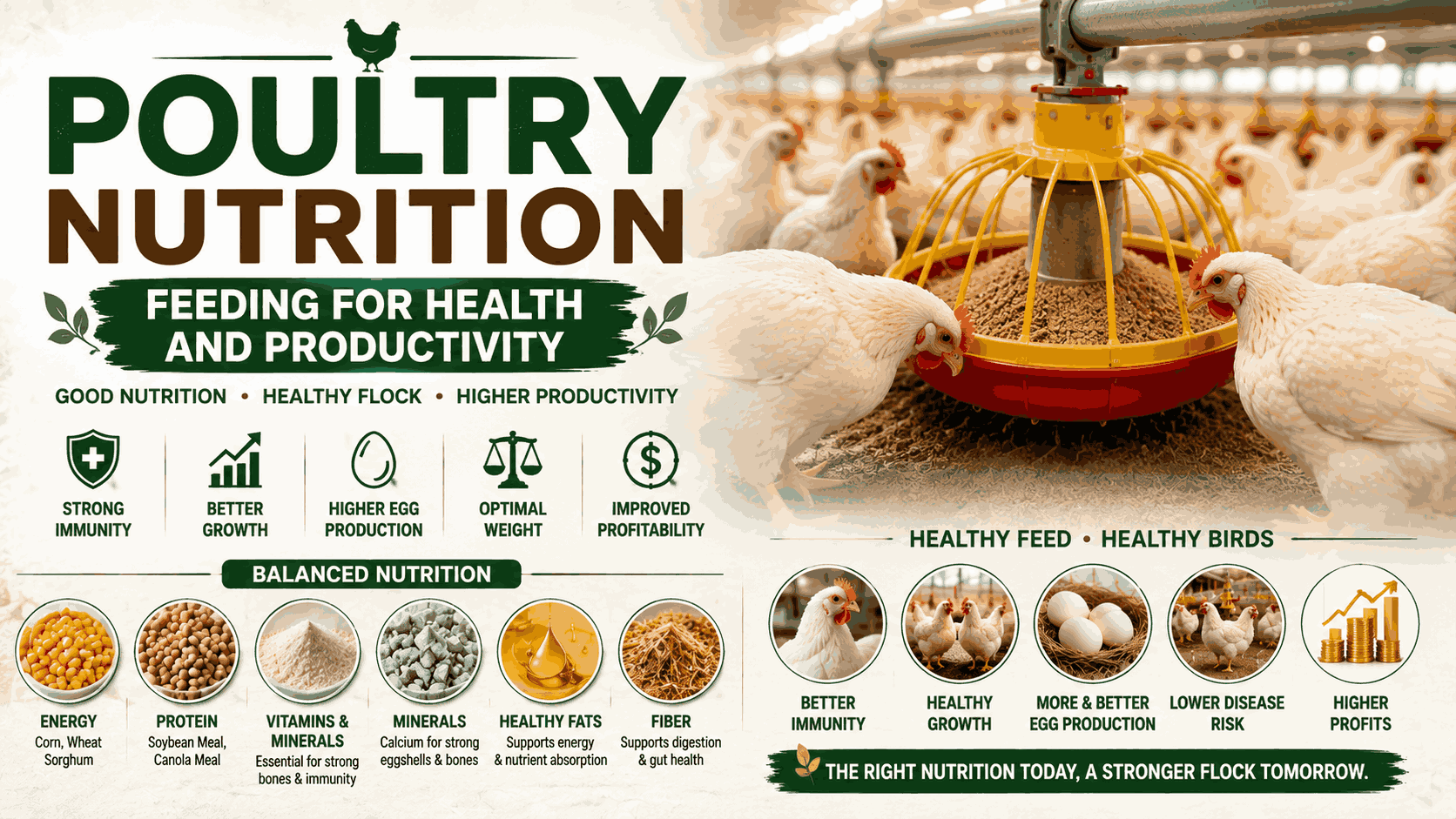
Poultry Nutrition and Feeding Strategies by Production Stage
Read article Layer Housing
A-Type vs H-Type Layer Cages: Choosing the Right System
Read article Climate Control
Poultry House Ventilation for Pakistan’s Climate
Read article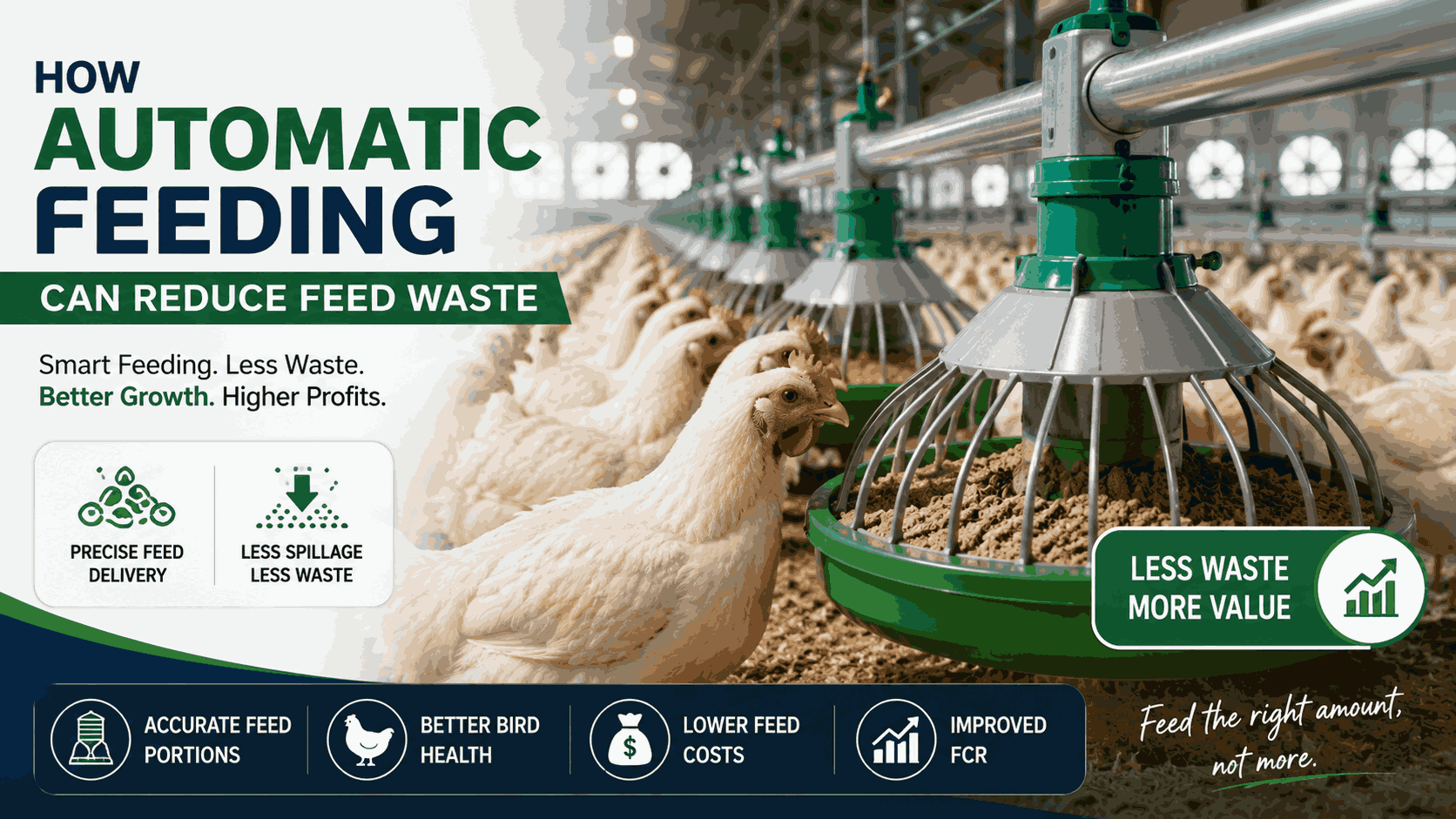 Feeding Systems
How Automatic Feeding Can Reduce Feed Waste
Read article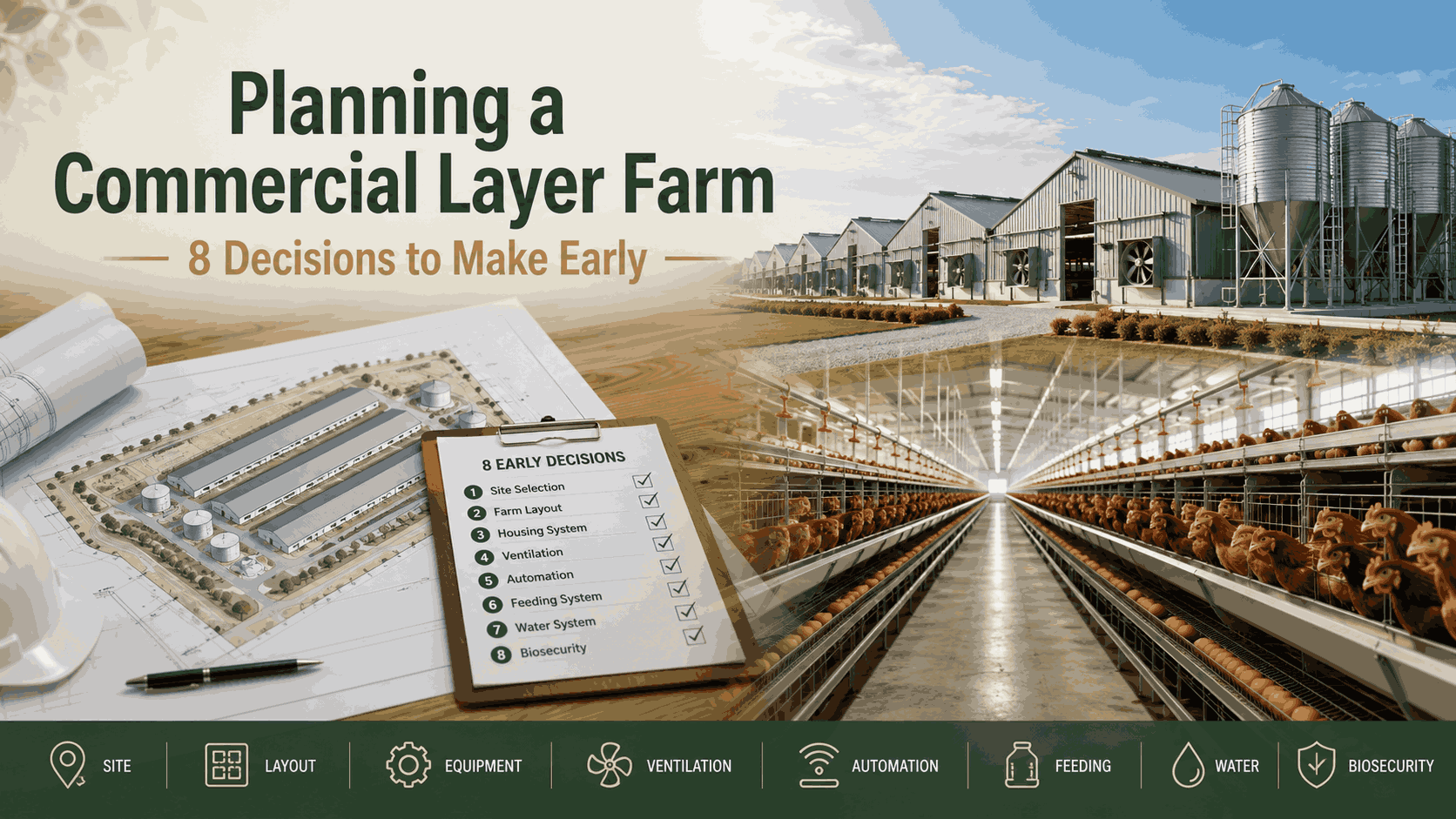 Farm Planning
Planning a Commercial Layer Farm: Eight Early Decisions
Read article Farm Essentials