
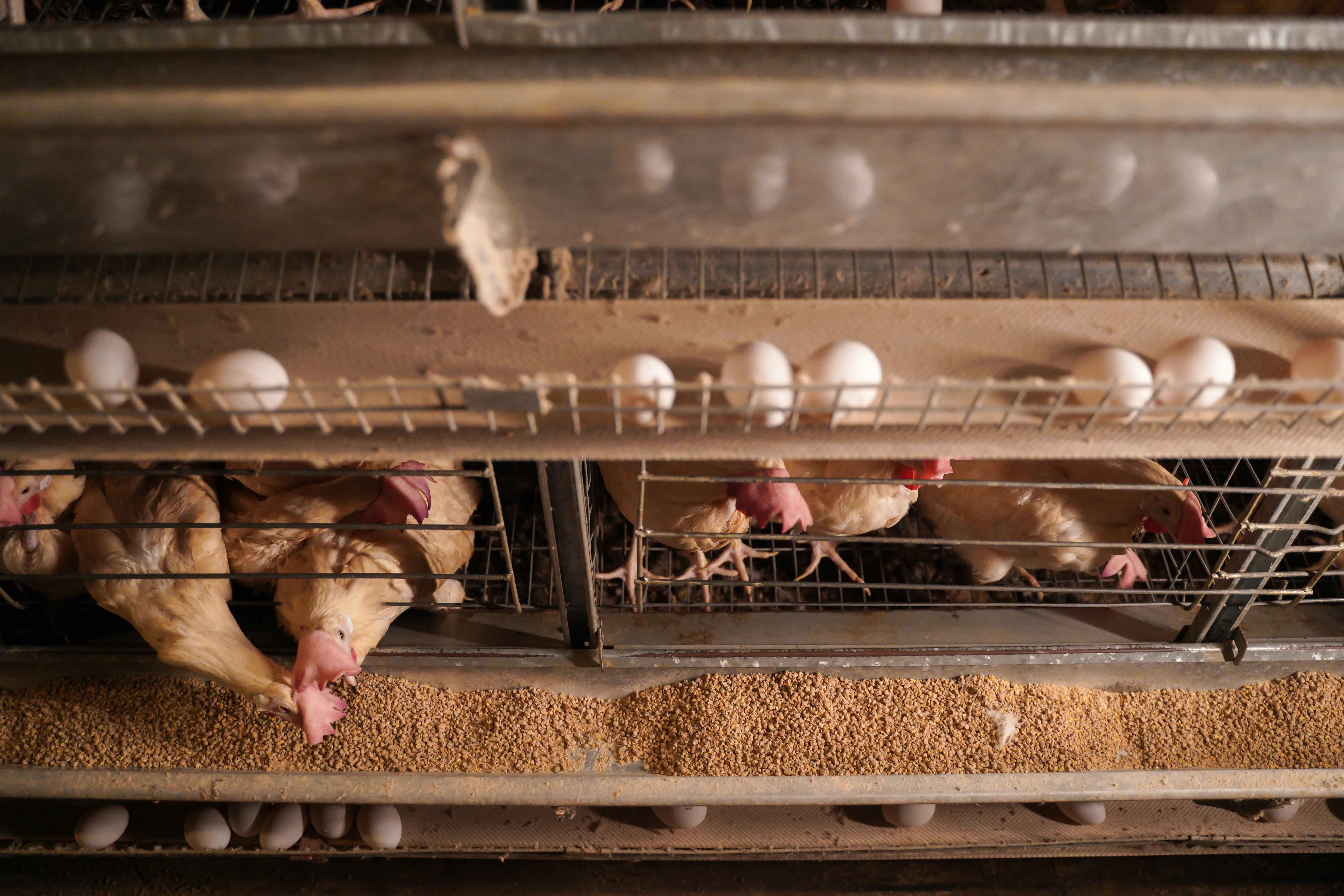
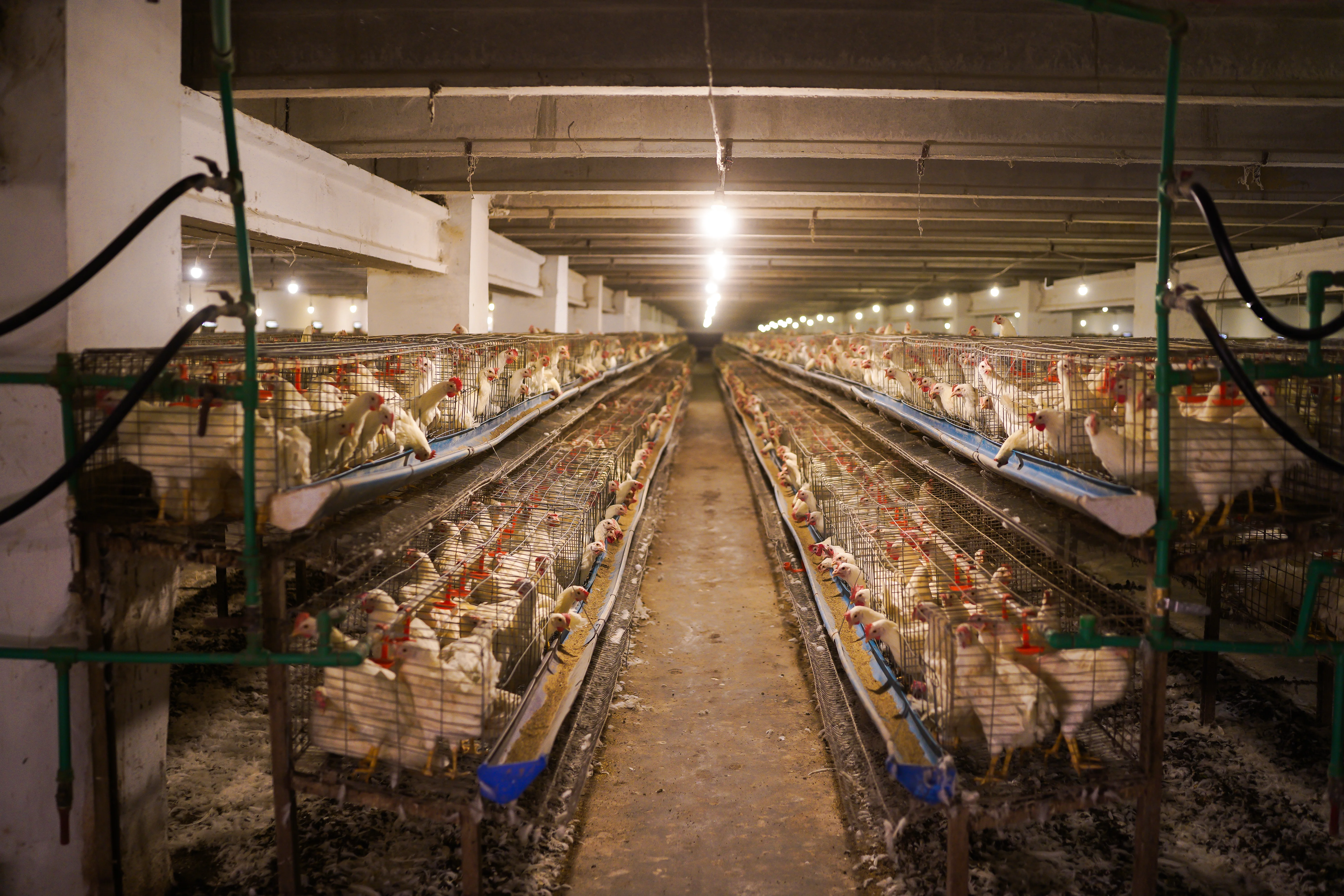
Planning a Commercial Layer Farm: Eight Early Decisions
Define site access, capacity, utilities and waste handling before equipment selection begins.
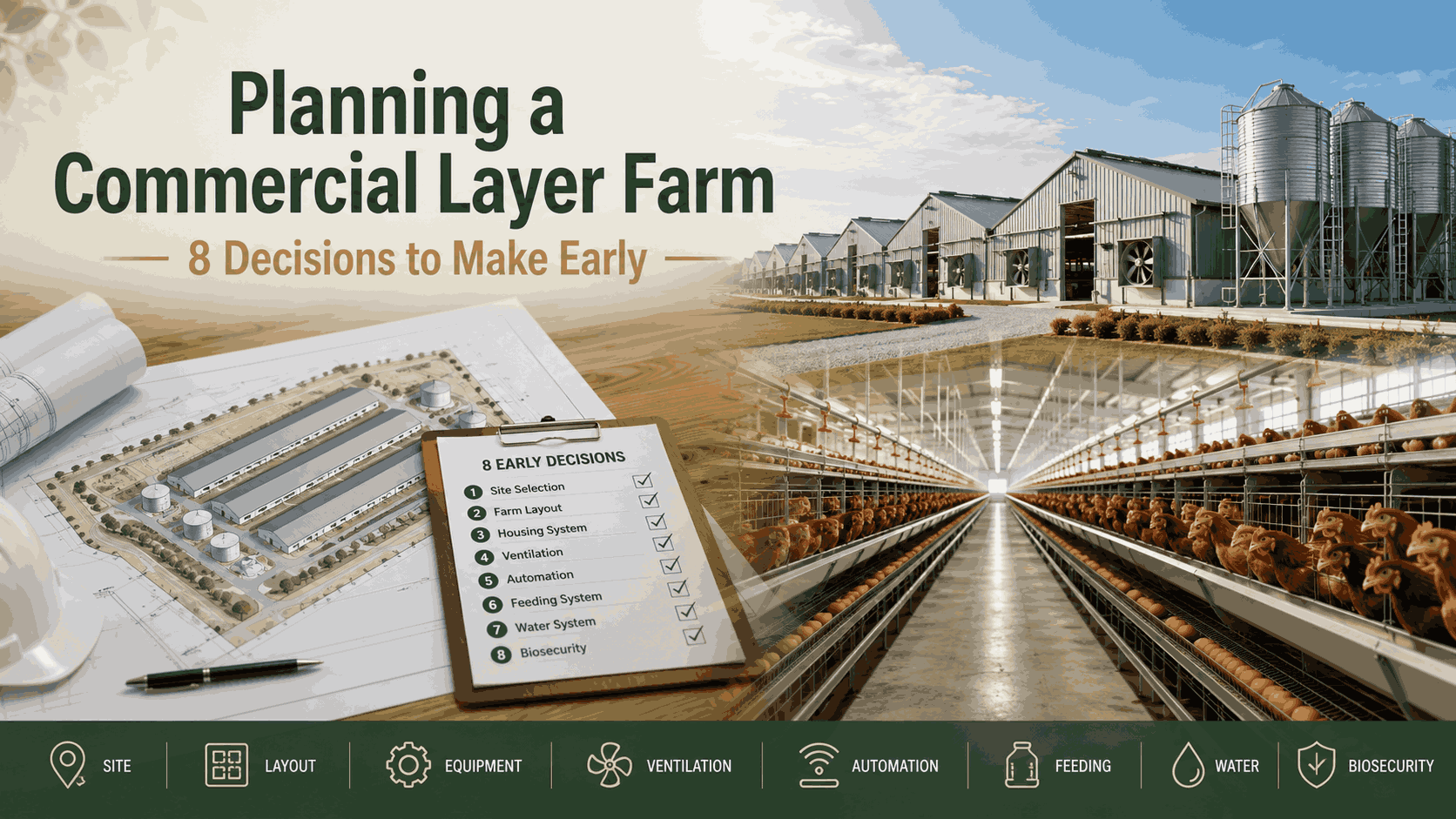
A layer project is easier to engineer when major operating decisions are resolved before buildings and equipment are fixed. Early coordination prevents expensive layout conflicts.
Define production scale and expansion logic
Set the first-phase bird capacity, production cycle and realistic expansion target. This determines building count, service roads, feed storage, egg handling and the space reserved for utilities.
Avoid filling the entire site in phase one; safe movement, drainage and future construction need deliberate space.
Better decisions begin with measurable farm conditions and routines your team can maintain.
Confirm utilities before final layout
Measure water quantity and quality, grid power reliability and generator requirements. Ventilation, feeding, drinking, egg collection and manure handling should be included in the electrical load schedule.
Water treatment and storage must support peak demand rather than average use.
Connect buildings to daily workflow
Plan how staff, feed vehicles, eggs, manure and service technicians move without unnecessary cross-traffic.
Practical checklist
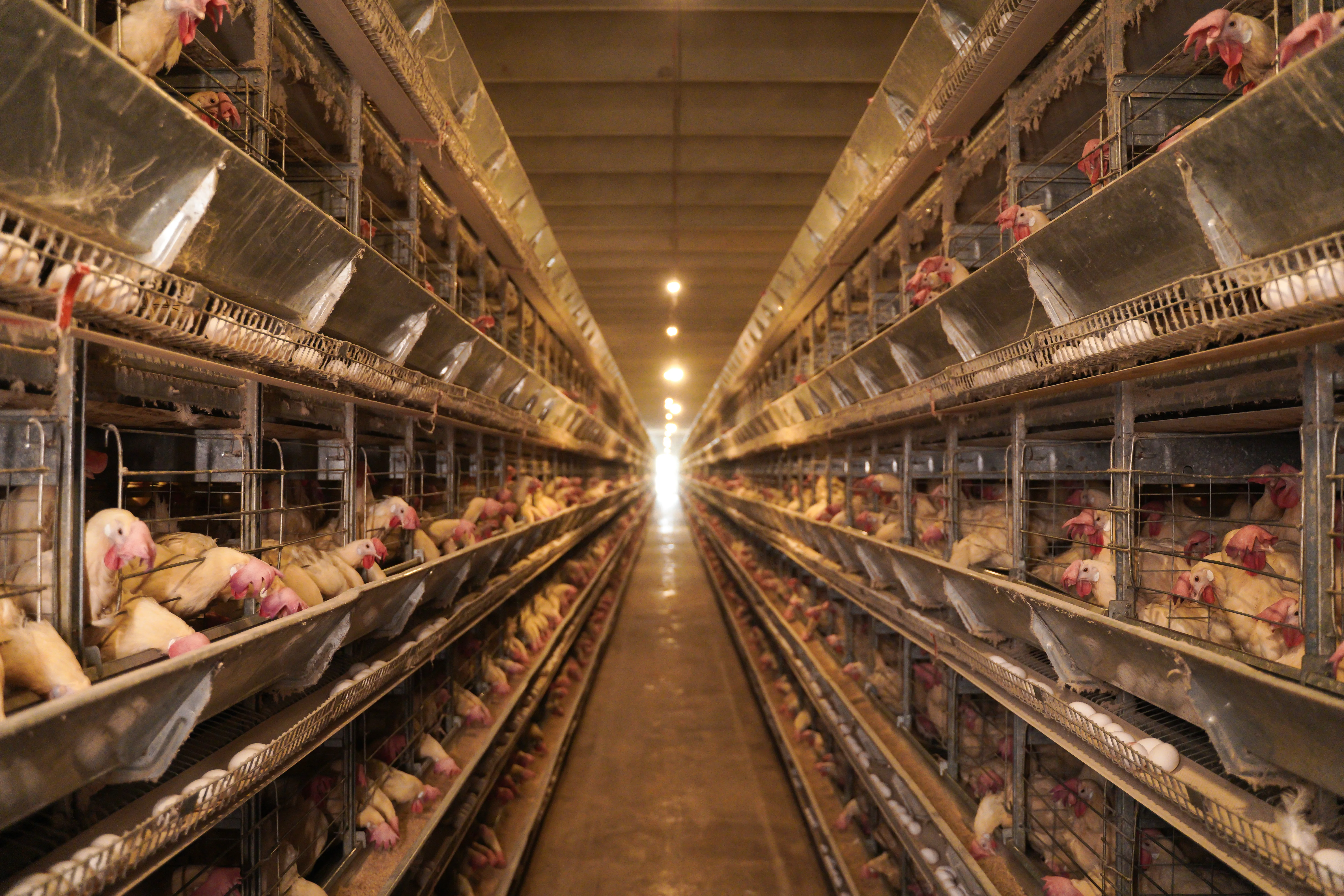
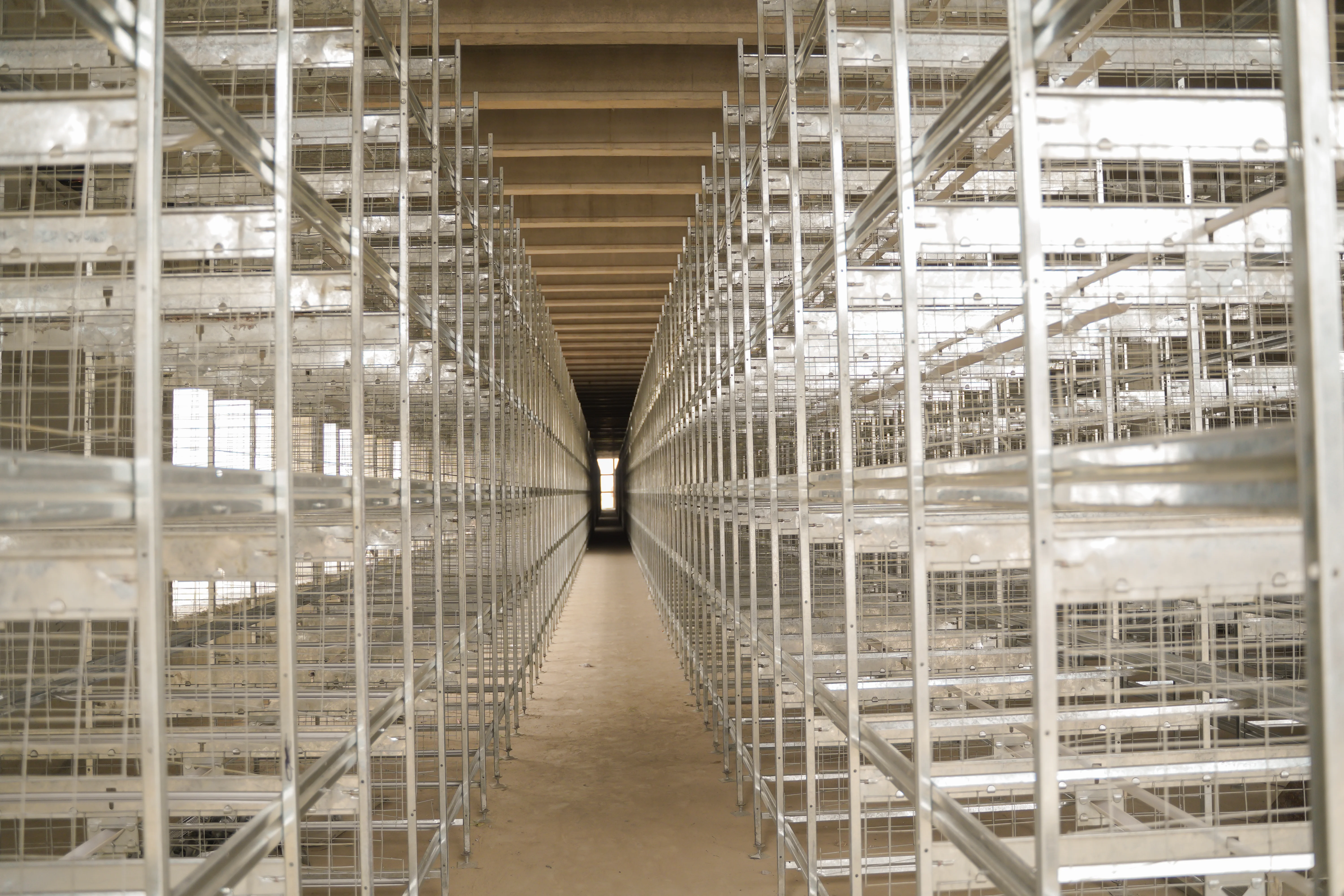
- Select housing and automation level
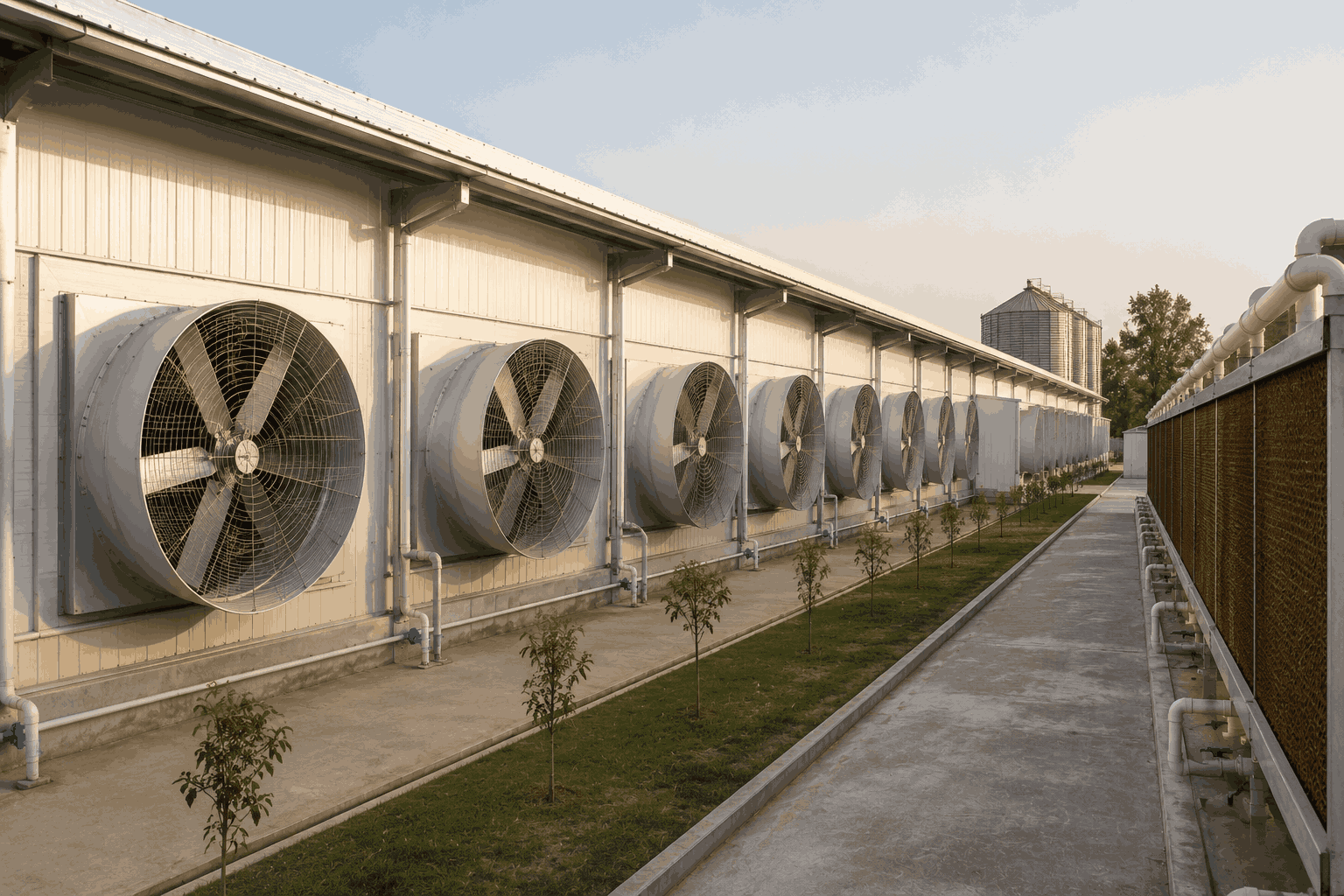
- Coordinate ventilation with building orientation
- Plan manure storage or removal
- Document installation and commissioning responsibilities
Putting this guidance into practice
Use these points as a structured starting place, then confirm decisions against flock requirements, farm conditions and the routines your team can maintain consistently.
Document the operating requirement first and compare each option against reliability, service access and long-term farm use.
Share your poultry house dimensions and production target.
Our team can help identify the equipment questions worth resolving first.
Ask an equipment specialistContinue with a connected topic.
Selected reading to help you connect equipment, farm planning and everyday poultry management.
 Layer Housing
A-Type vs H-Type Layer Cages: Choosing the Right System
Read article Climate Control
Poultry House Ventilation for Pakistan’s Climate
Read article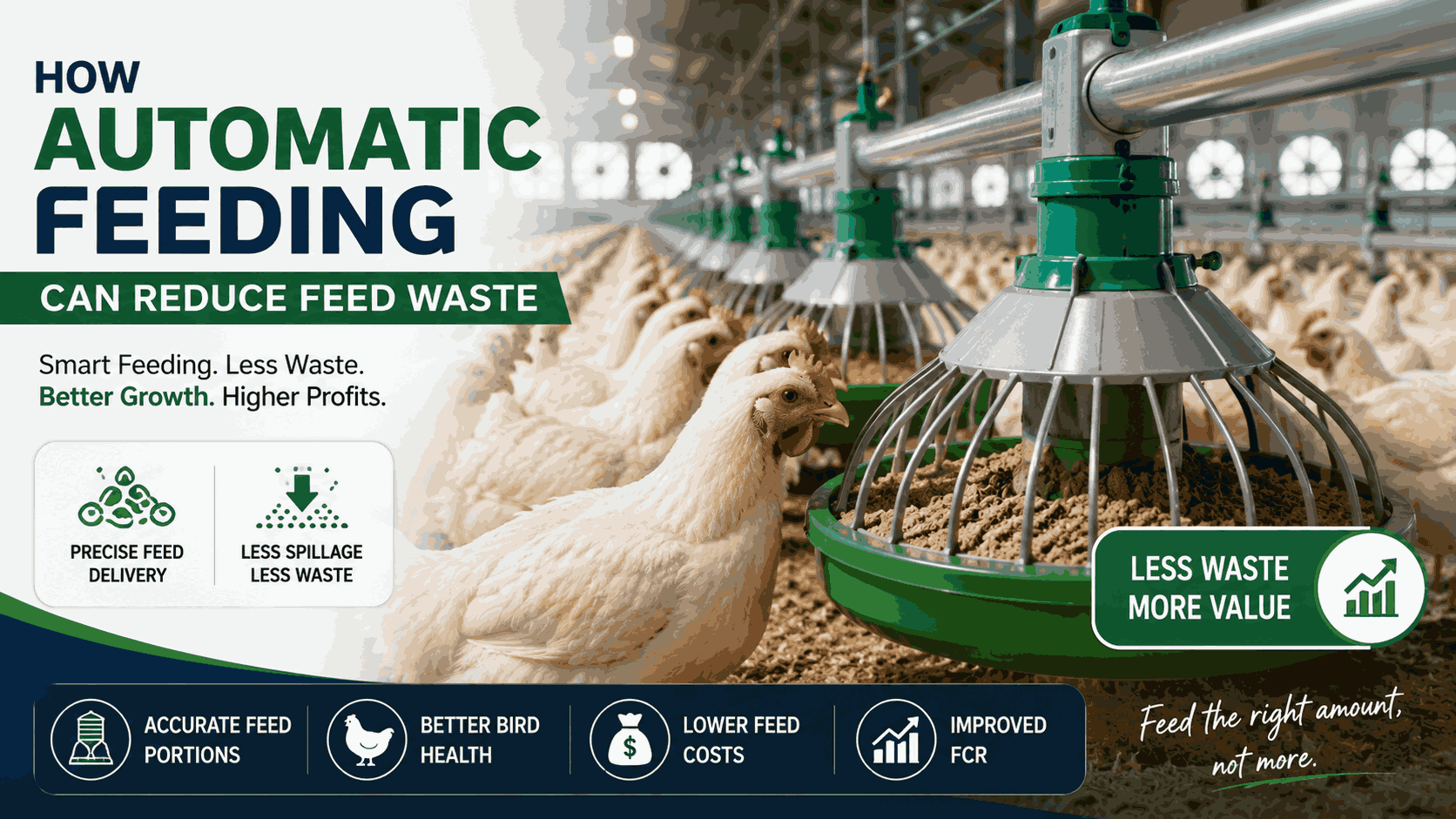 Feeding Systems
How Automatic Feeding Can Reduce Feed Waste
Read article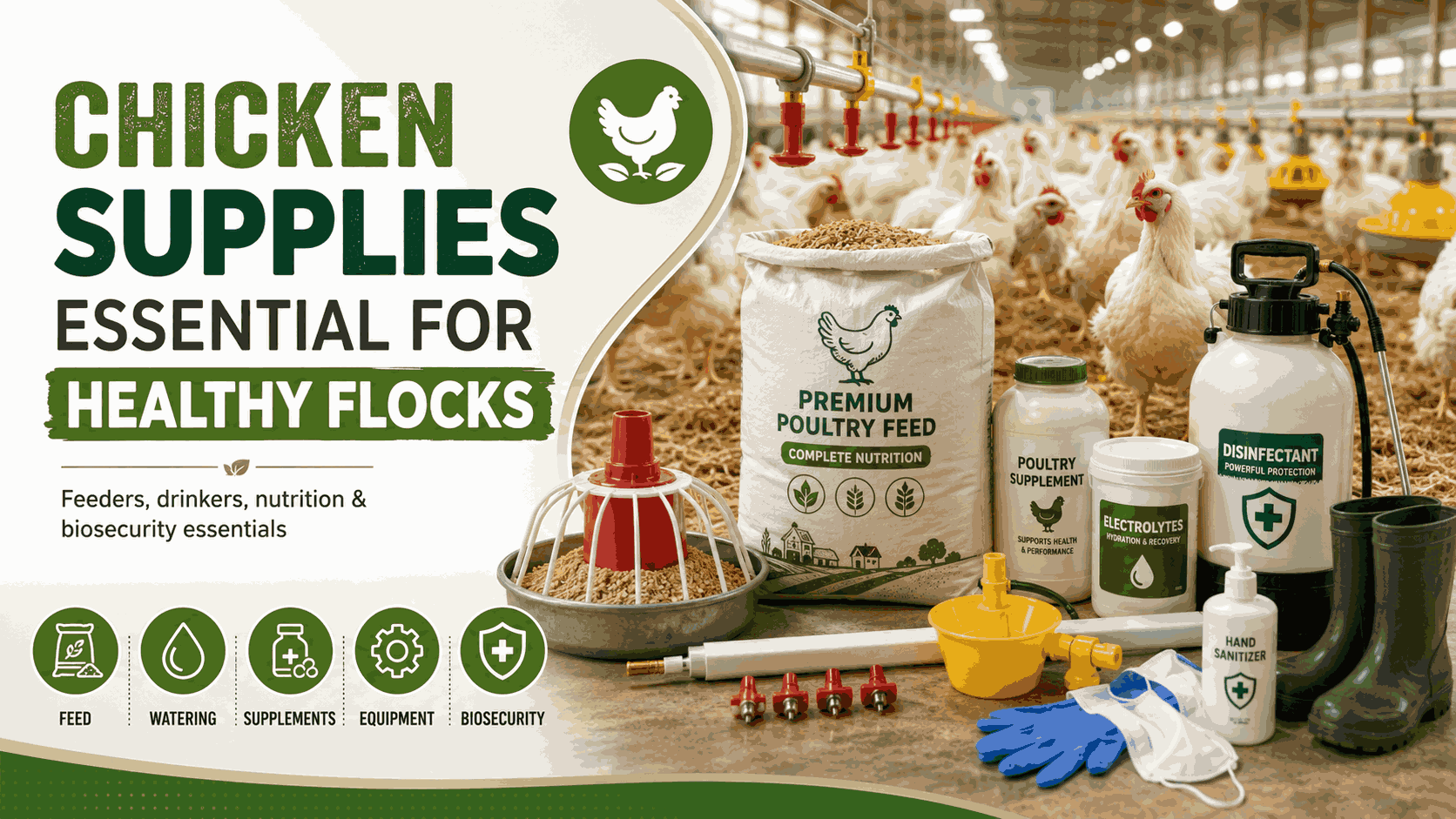 Farm Essentials
Essential Poultry Supplies for a Healthy, Manageable Flock
Read article Poultry Nutrition
Calcium for Laying Hens: Safe Sources and Feeding Control
Read article Feed Management