
Asil Chickens: Breed Character, Care and Responsible Keeping
Learn the management considerations behind this recognised South Asian heritage chicken.
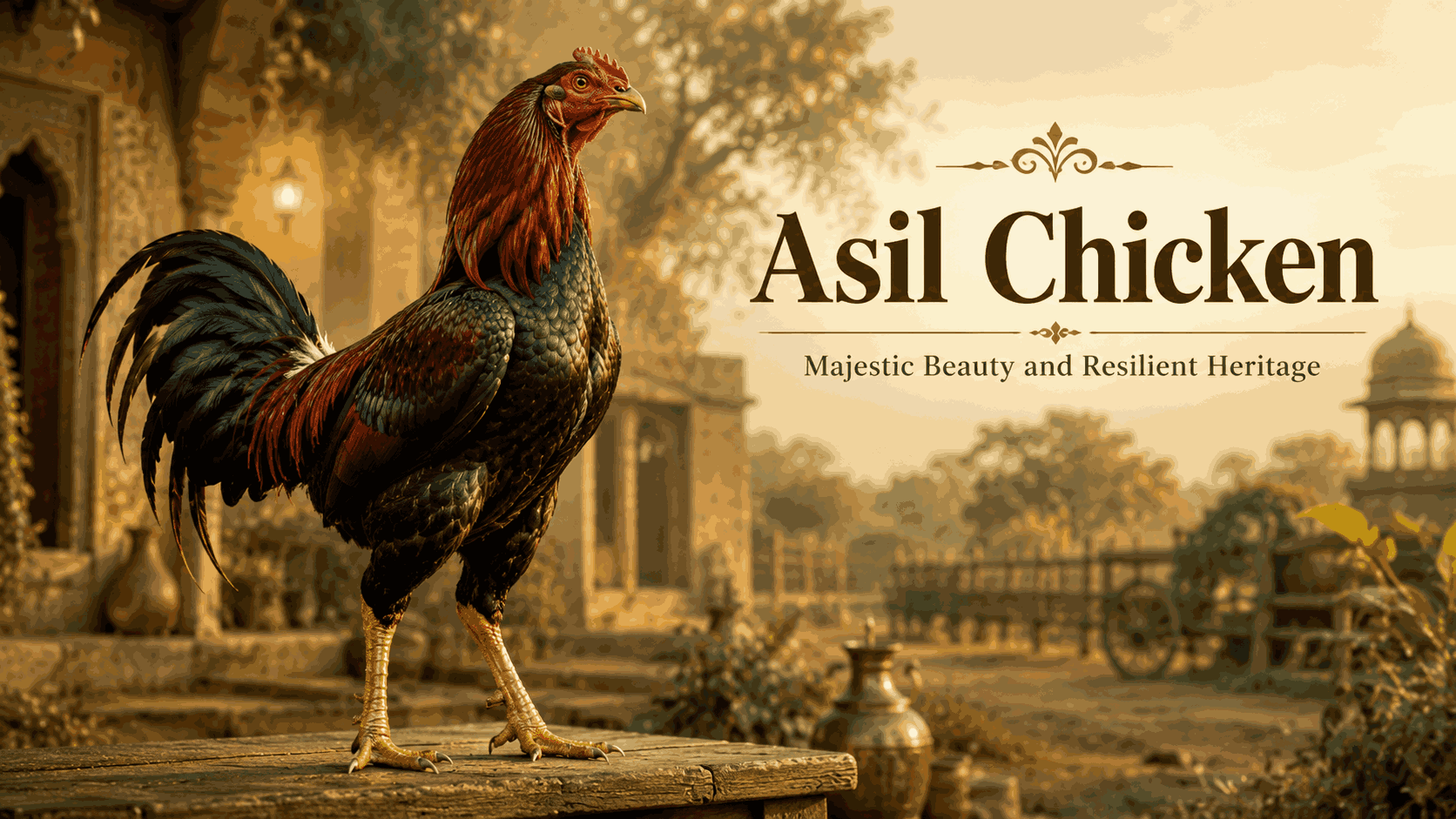
Asil chickens have a long regional history and distinct physical character. Good management should focus on health, safe housing and responsible breeding.
Understand individual temperament
Asil birds can be active and territorial. Housing design and group management should reduce competition and avoid preventable injury.
Observe new groups closely and provide enough feeder, drinker and resting access.
Better decisions begin with measurable farm conditions and routines your team can maintain.
Provide a stable daily environment
Dry litter, shade, ventilation and secure night housing support welfare. Balanced feed should match age and reproductive stage.
Parasite control and vaccination plans should be developed with local veterinary guidance.
Keep useful breeding records
Record parentage, hatch dates, health history and key traits.
Practical checklist
- Avoid breeding birds with inherited defects
- Quarantine new stock
- Do not encourage fighting
- Prioritise welfare in handling and transport
Putting this guidance into practice
Use these points as a structured starting place, then confirm decisions against flock requirements, farm conditions and the routines your team can maintain consistently.
Document the operating requirement first and compare each option against reliability, service access and long-term farm use.
Share your poultry house dimensions and production target.
Our team can help identify the equipment questions worth resolving first.
Ask an equipment specialistContinue with a connected topic.
Selected reading to help you connect equipment, farm planning and everyday poultry management.
 Poultry Breeds
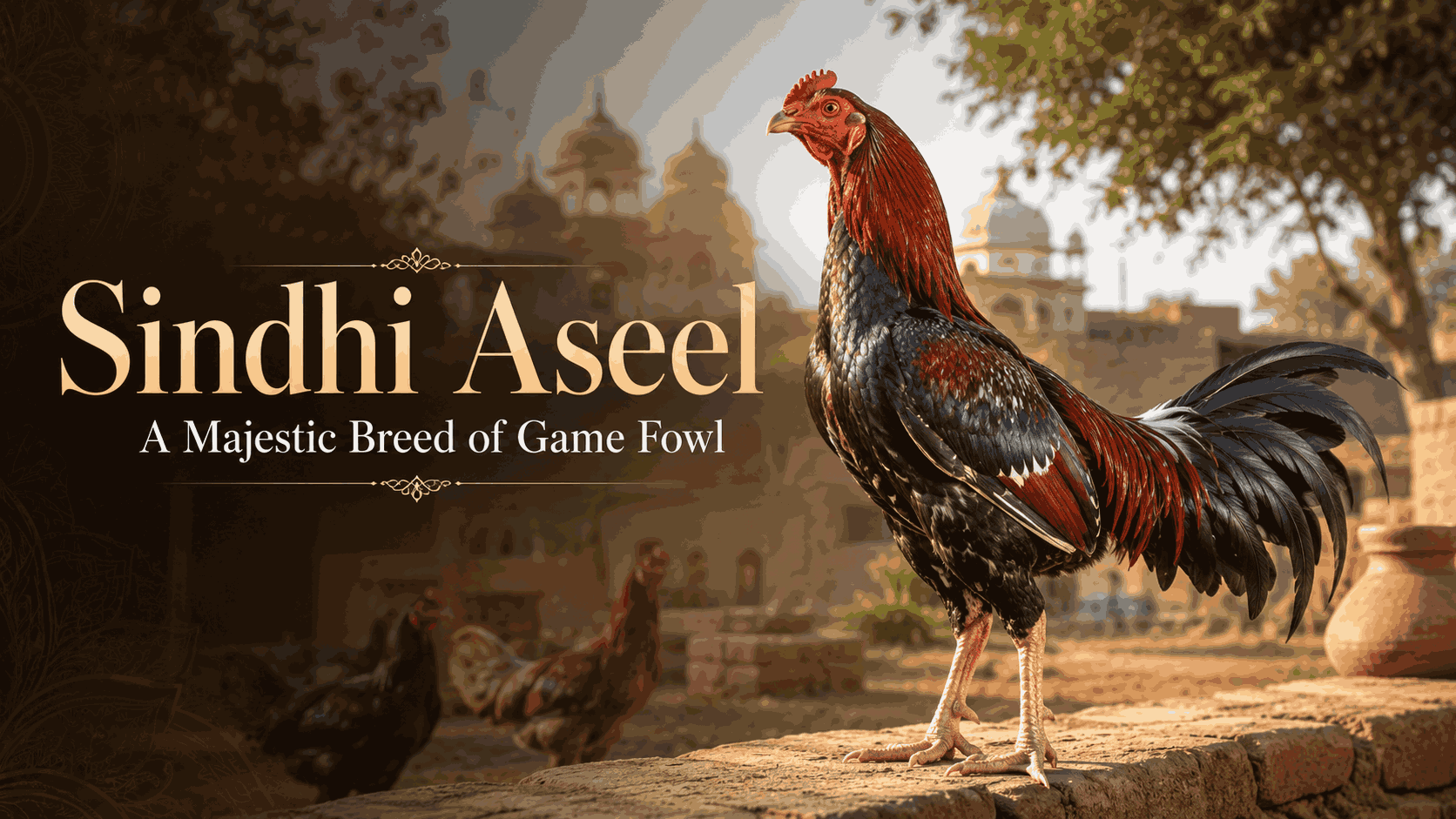
Sindhi Aseel Chickens: Heritage, Management and Welfare
Read article Layer Housing
A-Type vs H-Type Layer Cages: Choosing the Right System
Read article Climate Control
Poultry House Ventilation for Pakistan’s Climate
Read article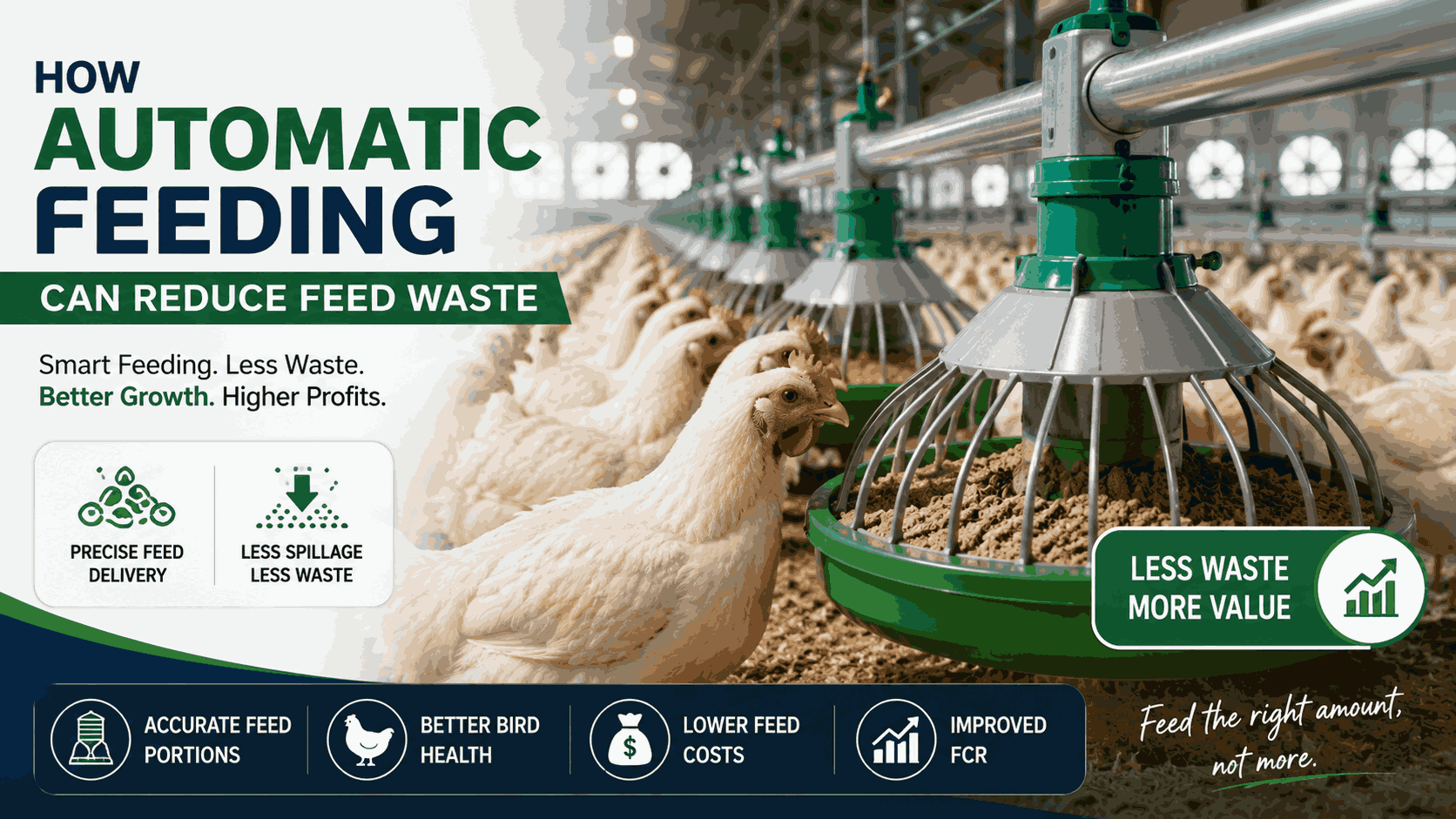 Feeding Systems
How Automatic Feeding Can Reduce Feed Waste
Read article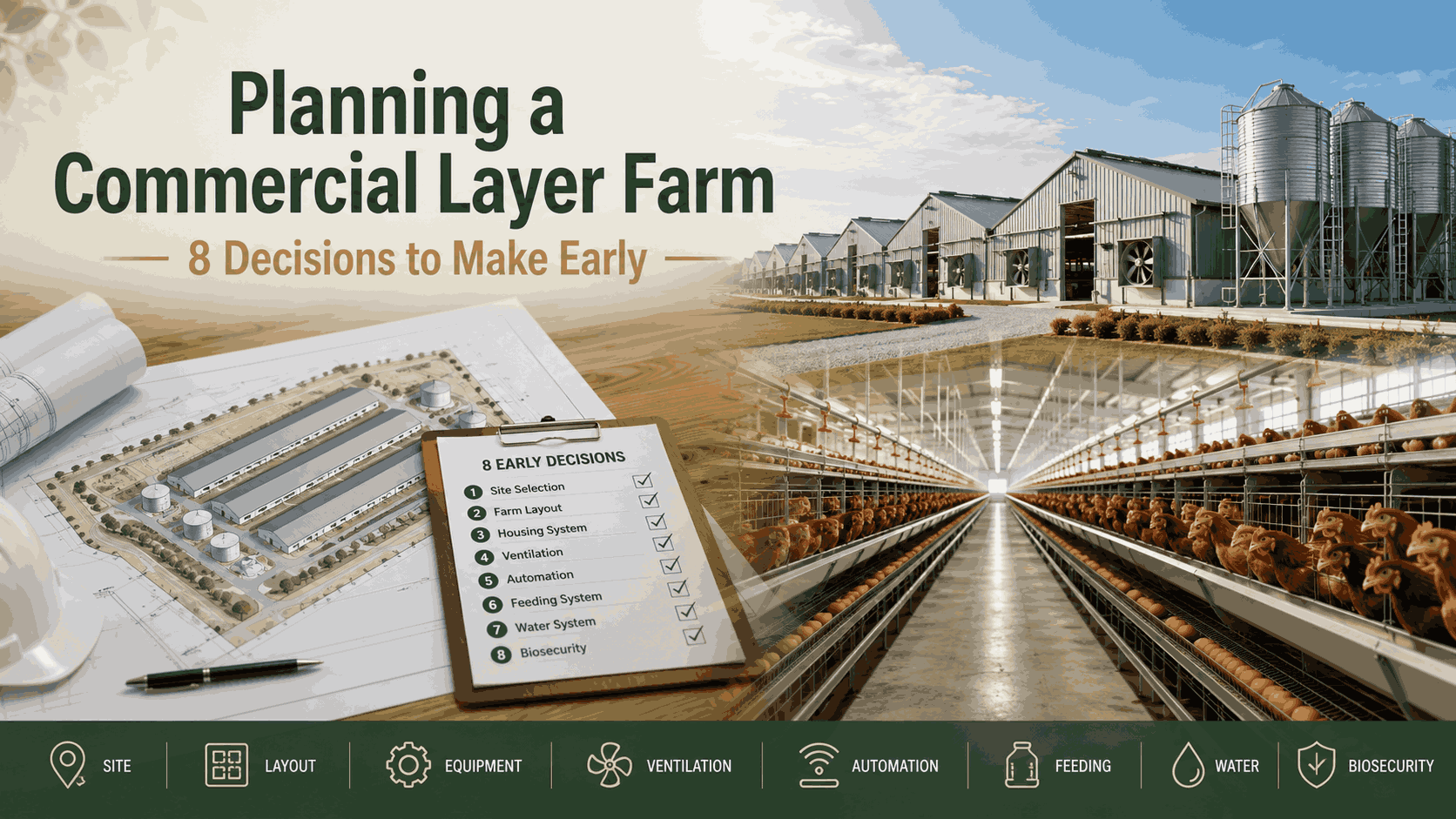 Farm Planning
Planning a Commercial Layer Farm: Eight Early Decisions
Read article Farm Essentials