
Chicken as Food: Ten Nutritional Considerations
A balanced overview of chicken’s nutritional role, preparation and portion choices.
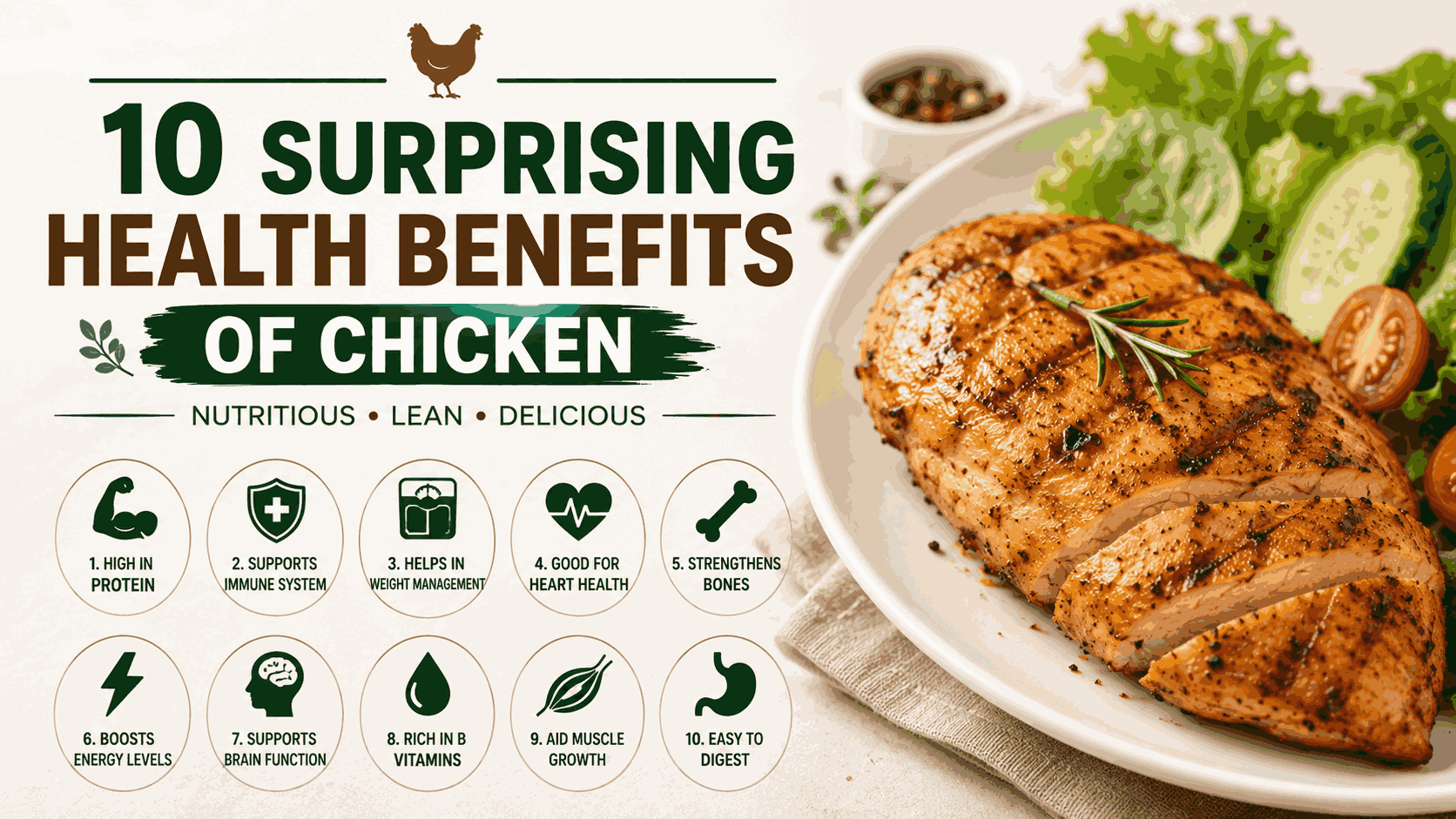
Chicken can contribute protein and several micronutrients to a varied diet. Its nutritional value depends on the cut, preparation method, portion and overall meal.
Protein and essential nutrients
Chicken provides complete protein and can supply B vitamins, selenium and phosphorus. Skinless lean cuts generally contain less saturated fat than skin-on portions.
Individual dietary needs differ, particularly for people managing allergies or medical conditions.
Better decisions begin with measurable farm conditions and routines your team can maintain.
Preparation changes the meal
Grilling, baking or stewing with vegetables can produce a different nutritional profile from deep frying or heavily processed products.
Safe handling requires separation of raw poultry, thorough cooking and prompt refrigeration.
Keep claims in perspective
No single food guarantees health. Variety, portion size and the wider dietary pattern matter most.
Practical checklist
- Choose preparation methods deliberately
- Include vegetables and fibre-rich foods
- Follow food-safety guidance
- Seek professional advice for clinical diets
Putting this guidance into practice
Use these points as a structured starting place, then confirm decisions against flock requirements, farm conditions and the routines your team can maintain consistently.
Document the operating requirement first and compare each option against reliability, service access and long-term farm use.
Share your poultry house dimensions and production target.
Our team can help identify the equipment questions worth resolving first.
Ask an equipment specialistContinue with a connected topic.
Selected reading to help you connect equipment, farm planning and everyday poultry management.
 Layer Housing
A-Type vs H-Type Layer Cages: Choosing the Right System
Read article Climate Control
Poultry House Ventilation for Pakistan’s Climate
Read article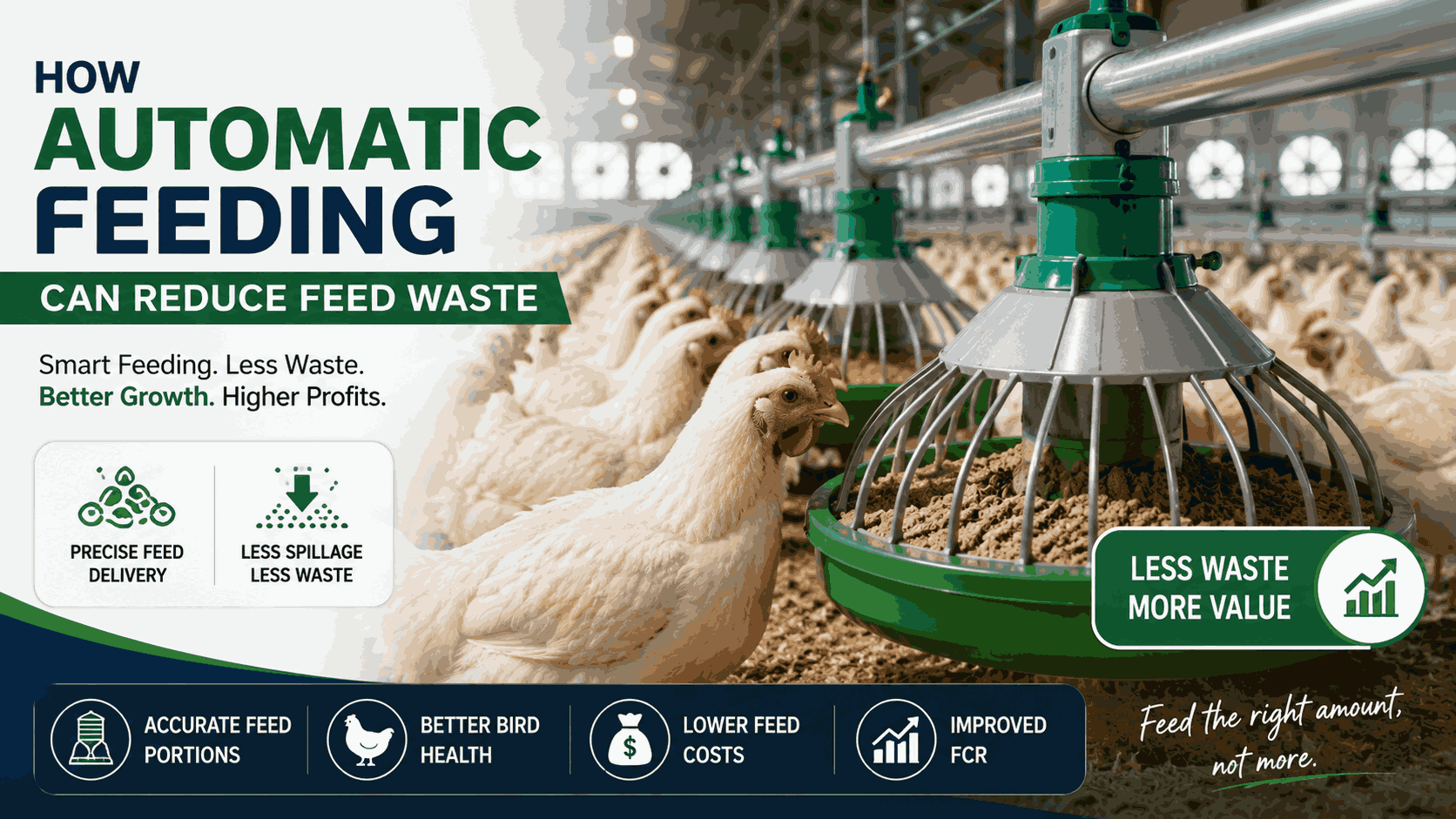 Feeding Systems
How Automatic Feeding Can Reduce Feed Waste
Read article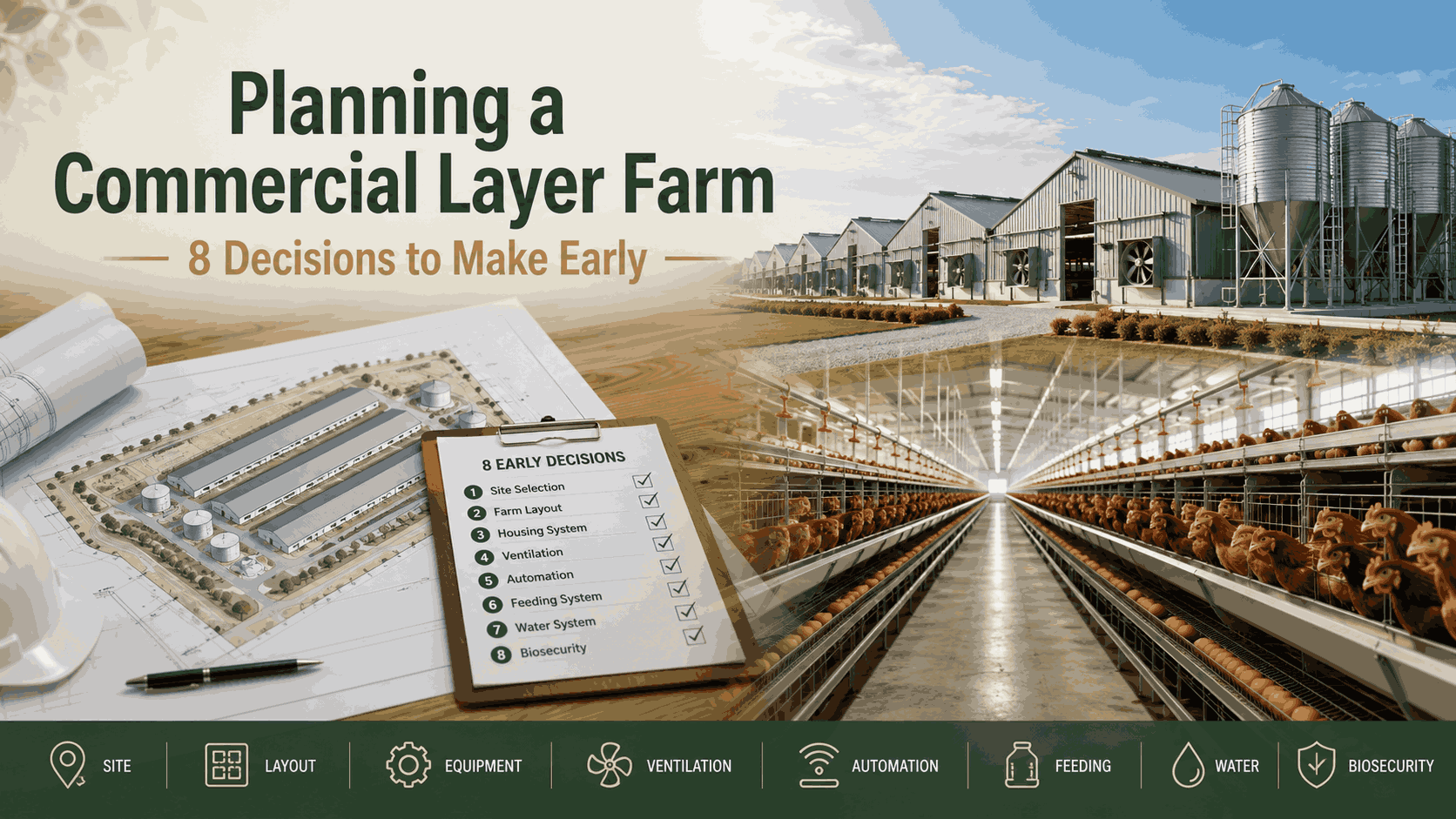 Farm Planning
Planning a Commercial Layer Farm: Eight Early Decisions
Read article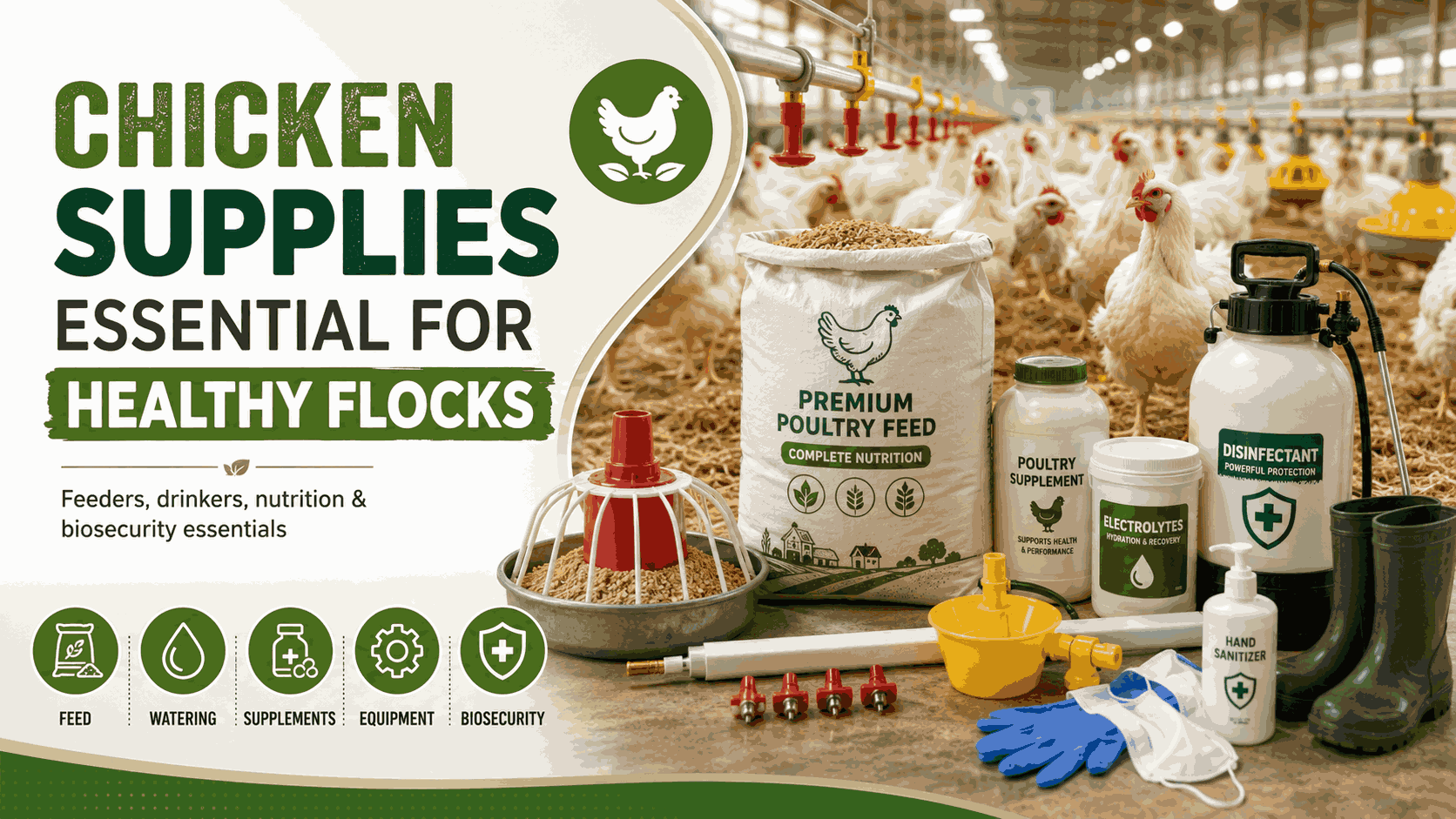 Farm Essentials
Essential Poultry Supplies for a Healthy, Manageable Flock
Read article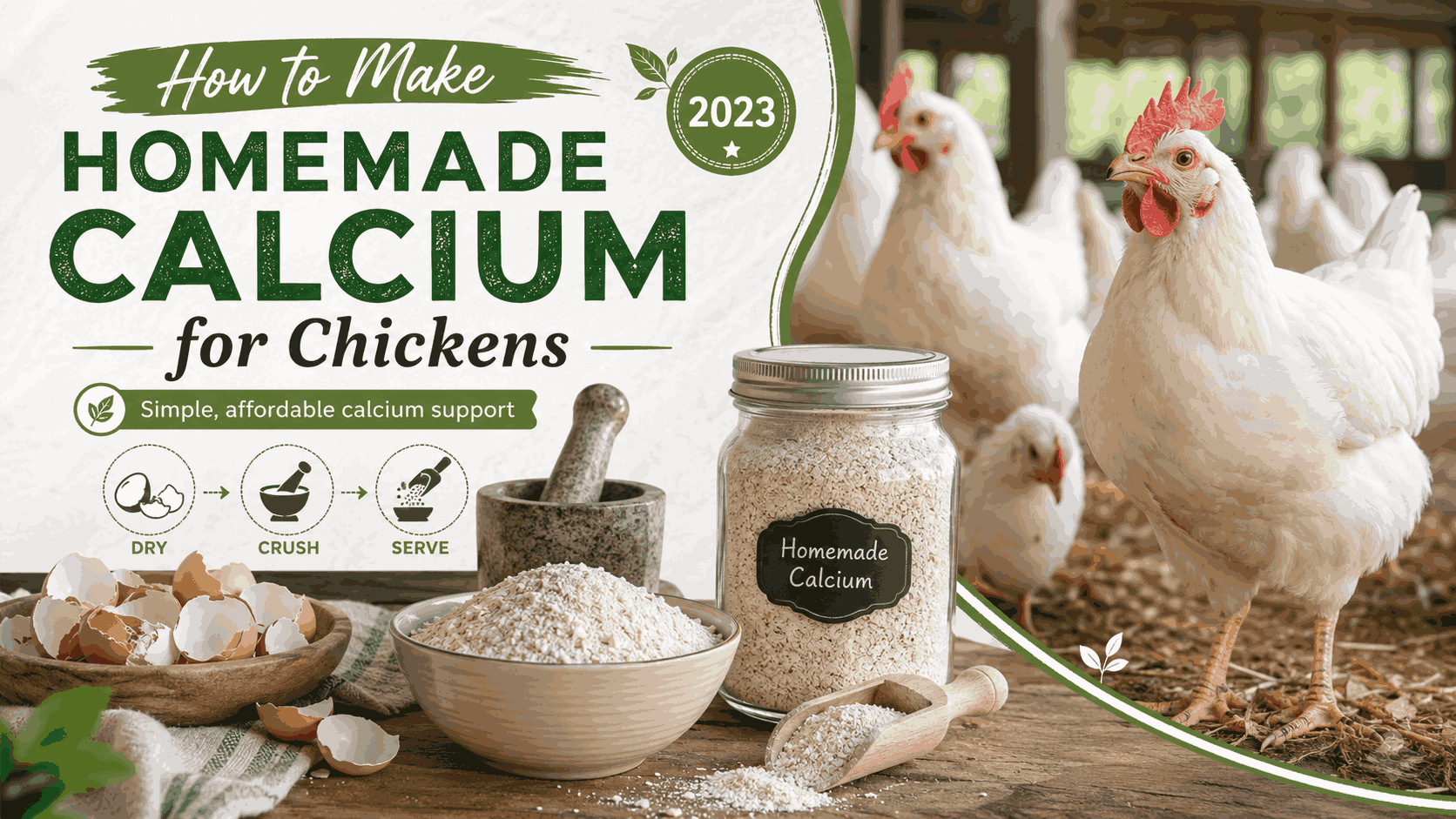 Poultry Nutrition