
Cooling Pads for Poultry Farms: Design, Water and Maintenance
Plan evaporative cooling around airflow, humidity, pad sizing and reliable water management.
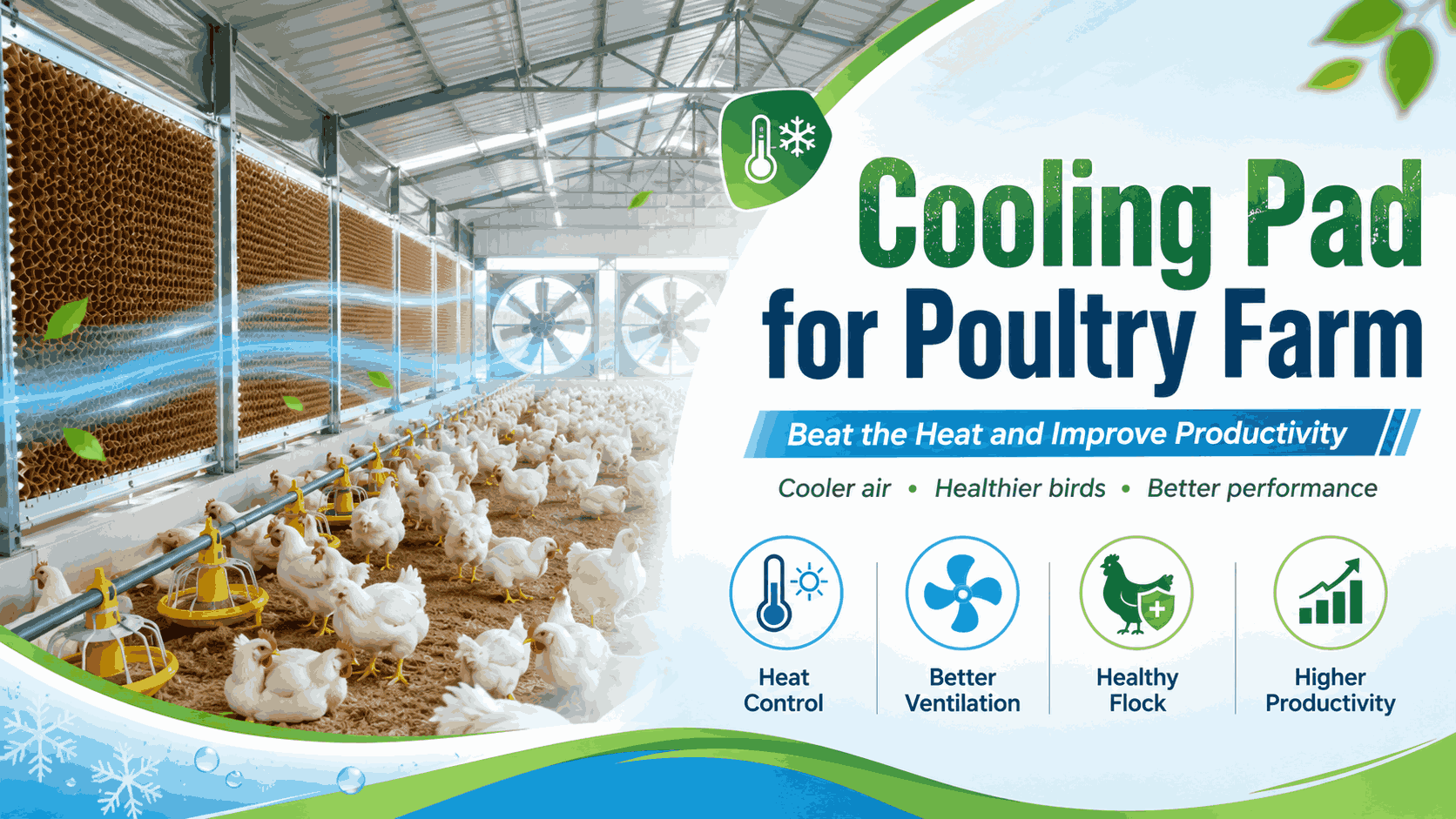
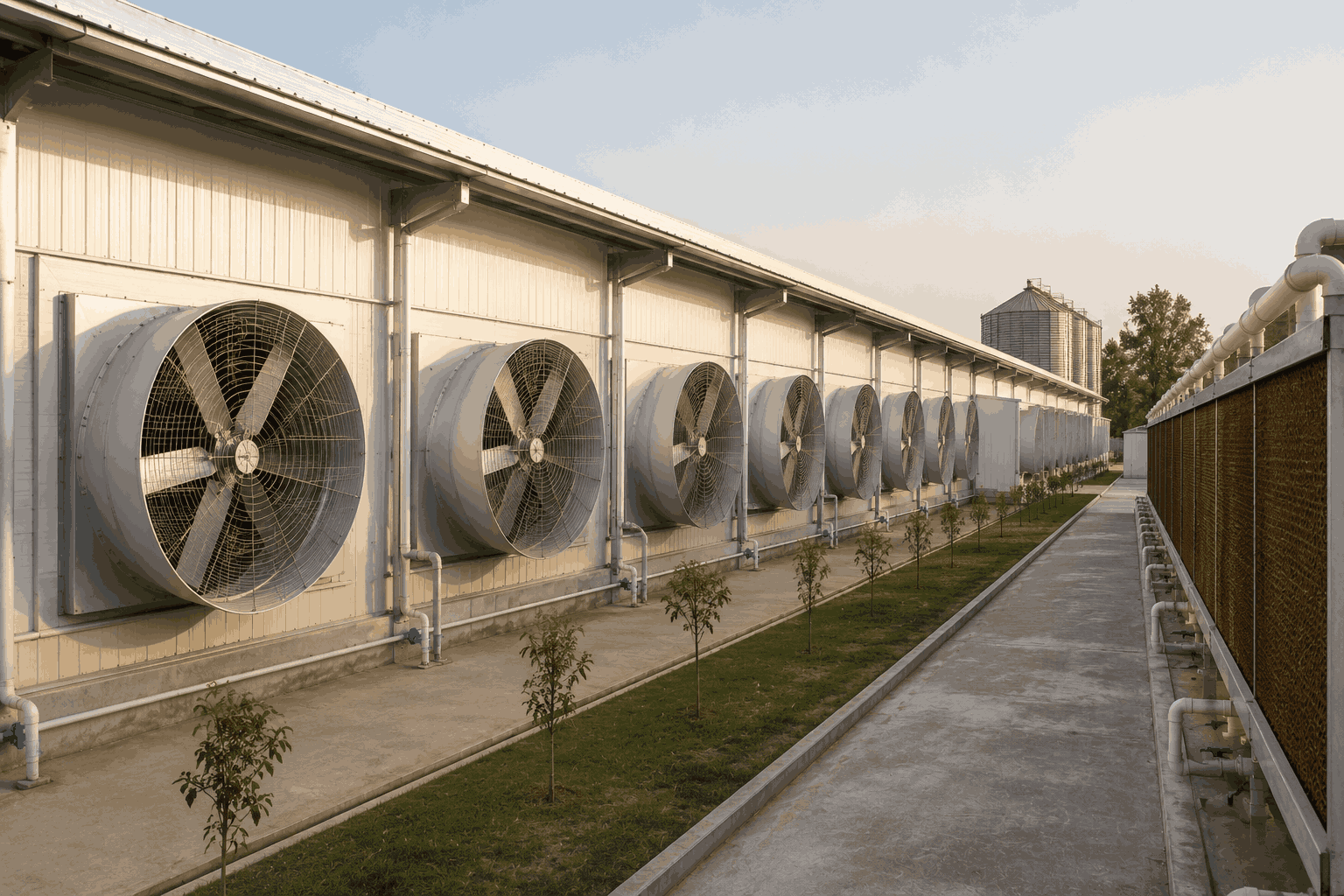
Cooling pads reduce incoming-air temperature through evaporation. Their result depends on climate, air velocity, pad area, water quality and house sealing.
Size pads as part of the ventilation system
Pad area should support the design airflow without excessive velocity or pressure. Fans, inlets and pads must be selected together.
A larger pad does not correct leakage or insufficient fan performance.
Better equipment decisions begin with the measurable conditions and daily routines of the farm.
Manage water distribution and quality
The full pad face should wet evenly without dry streaks or continuous overflow. Filtration and bleed-off may be required where mineral concentration is high.
Stagnant water and blocked distribution holes reduce performance and pad life.
Inspect before peak heat
Clean the reservoir, test pumps and verify water reaches every section.
Practical checklist
- Repair damaged seals
- Remove algae using approved methods
- Check gutter drainage
- Record temperature and humidity before and after the pad
Putting this guidance into practice
Use these points as a structured starting place, then confirm decisions against flock capacity, poultry-house dimensions, local conditions and the routines your team can maintain consistently.
For equipment-related decisions, document the operating requirement first and compare solutions against service access, reliability and long-term farm use.
Share your poultry house dimensions and production target.
Our team can help identify the equipment questions worth resolving first.
Ask an equipment specialistContinue with a connected topic.
Selected reading to help you connect equipment, farm planning and everyday poultry management.
 Layer Housing
A-Type vs H-Type Layer Cages: Choosing the Right System
Read article Climate Control
Poultry House Ventilation for Pakistan’s Climate
Read article Feeding Systems
How Automatic Feeding Can Reduce Feed Waste
Read article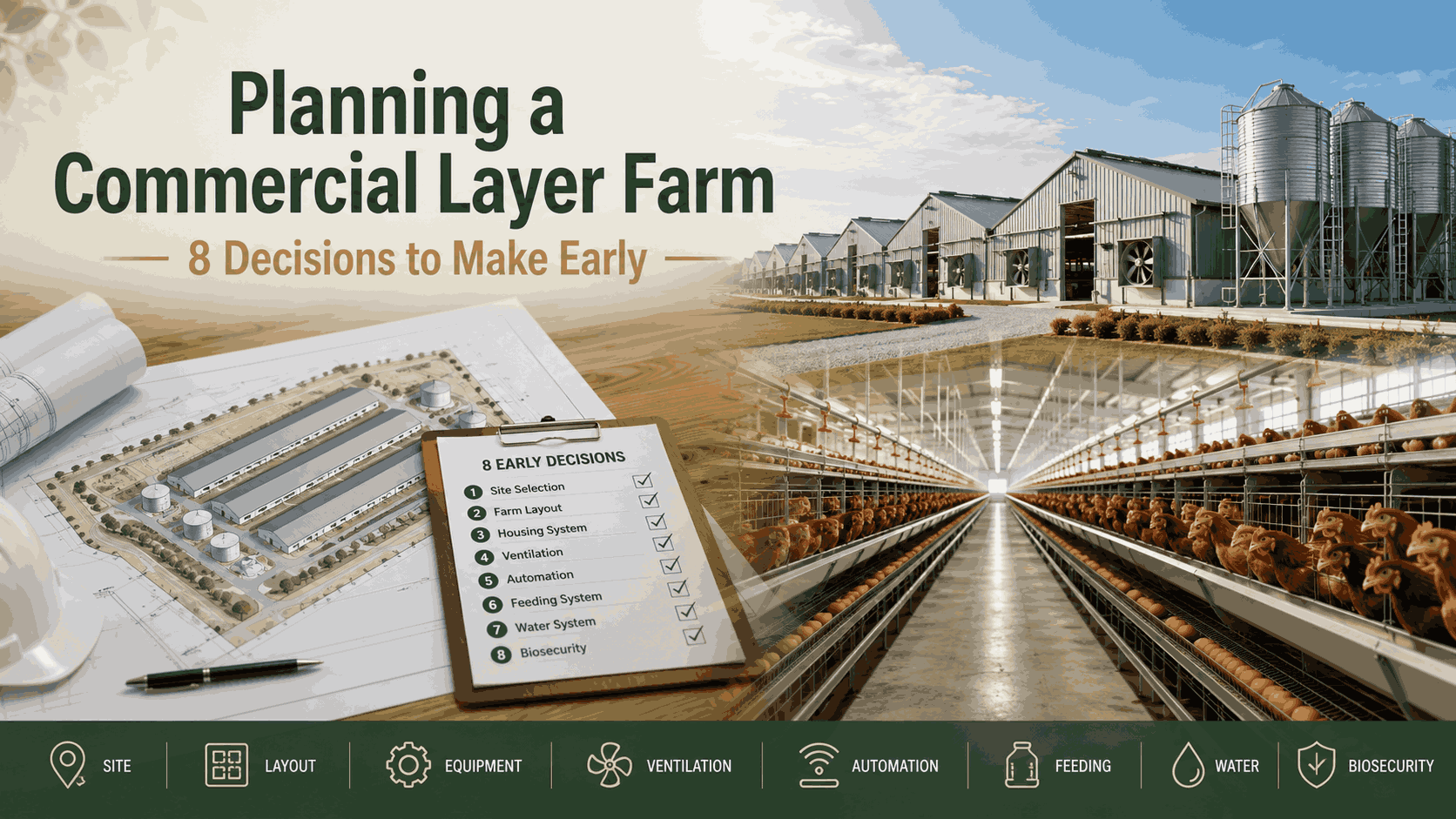 Farm Planning
Planning a Commercial Layer Farm: Eight Early Decisions
Read article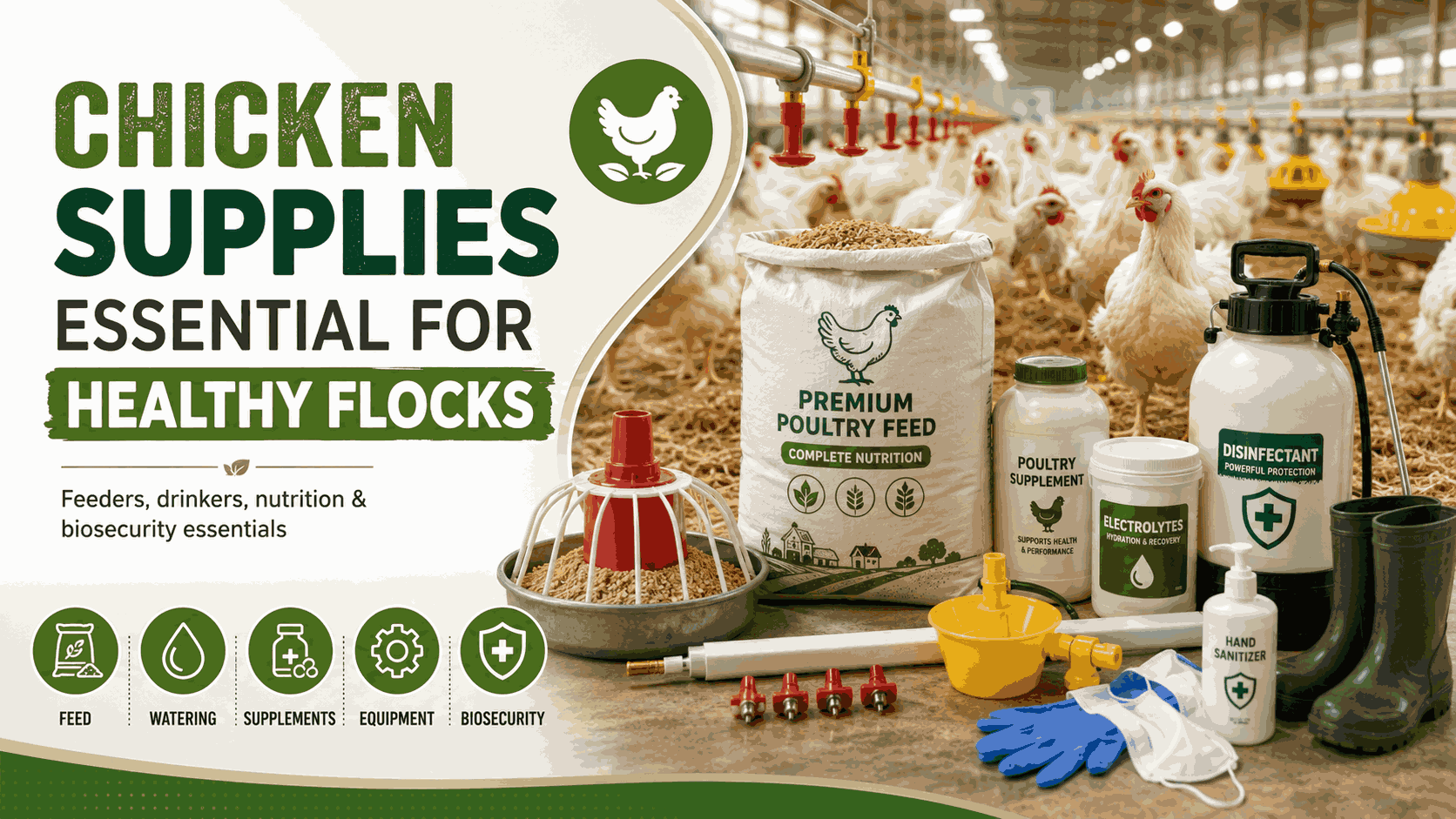 Farm Essentials
Essential Poultry Supplies for a Healthy, Manageable Flock
Read article Poultry Nutrition