
Poultry Farm Management Systems: Turning Records into Action
Structure production, environment and maintenance data so farm teams can make timely decisions.
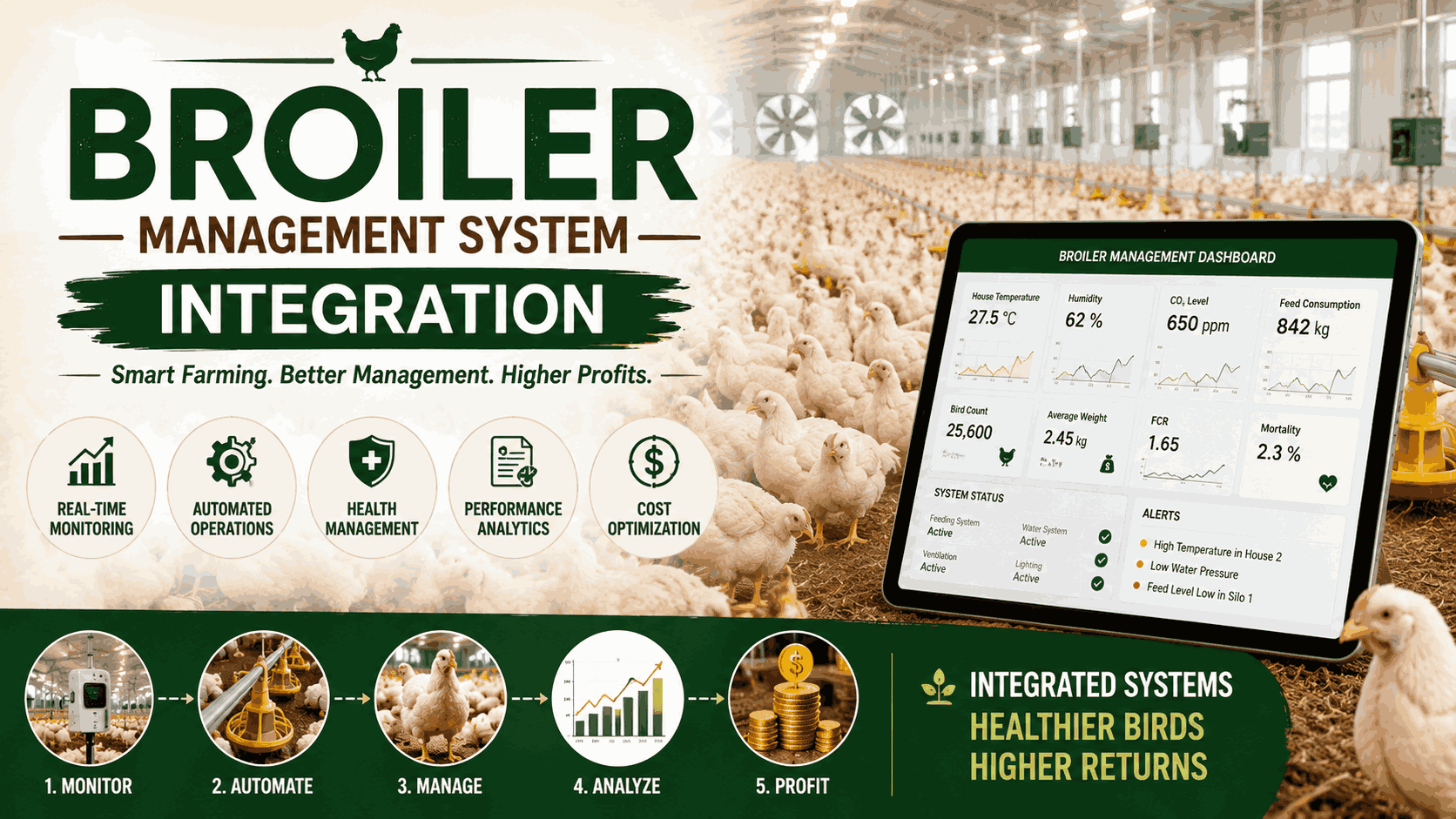
A management system is useful when it converts daily observations into clear action. Complex software cannot compensate for missing or inconsistent source data.
Decide which information matters
Start with bird count, feed, water, egg or weight output, mortality, temperature, humidity and equipment downtime. Assign one responsible person for each entry.
Use consistent units and collection times so values can be compared.
Better decisions begin with measurable farm conditions and routines your team can maintain.
Set thresholds and responsibilities
For every critical indicator, define the normal range, alert point and person who must respond. This turns a dashboard into an operating tool.
Keep manual fallback records for power or connectivity interruptions.
Review patterns, not isolated numbers
Weekly comparisons can show increasing water use, falling output or recurring equipment faults.
Practical checklist
- Keep data entry simple
- Protect access credentials
- Back up records
- Discuss trends with technical and veterinary advisers
Putting this guidance into practice
Use these points as a structured starting place, then confirm decisions against flock requirements, farm conditions and the routines your team can maintain consistently.
Document the operating requirement first and compare each option against reliability, service access and long-term farm use.
Share your poultry house dimensions and production target.
Our team can help identify the equipment questions worth resolving first.
Ask an equipment specialistContinue with a connected topic.
Selected reading to help you connect equipment, farm planning and everyday poultry management.
 Layer Housing
A-Type vs H-Type Layer Cages: Choosing the Right System
Read article Climate Control
Poultry House Ventilation for Pakistan’s Climate
Read article Feeding Systems
How Automatic Feeding Can Reduce Feed Waste
Read article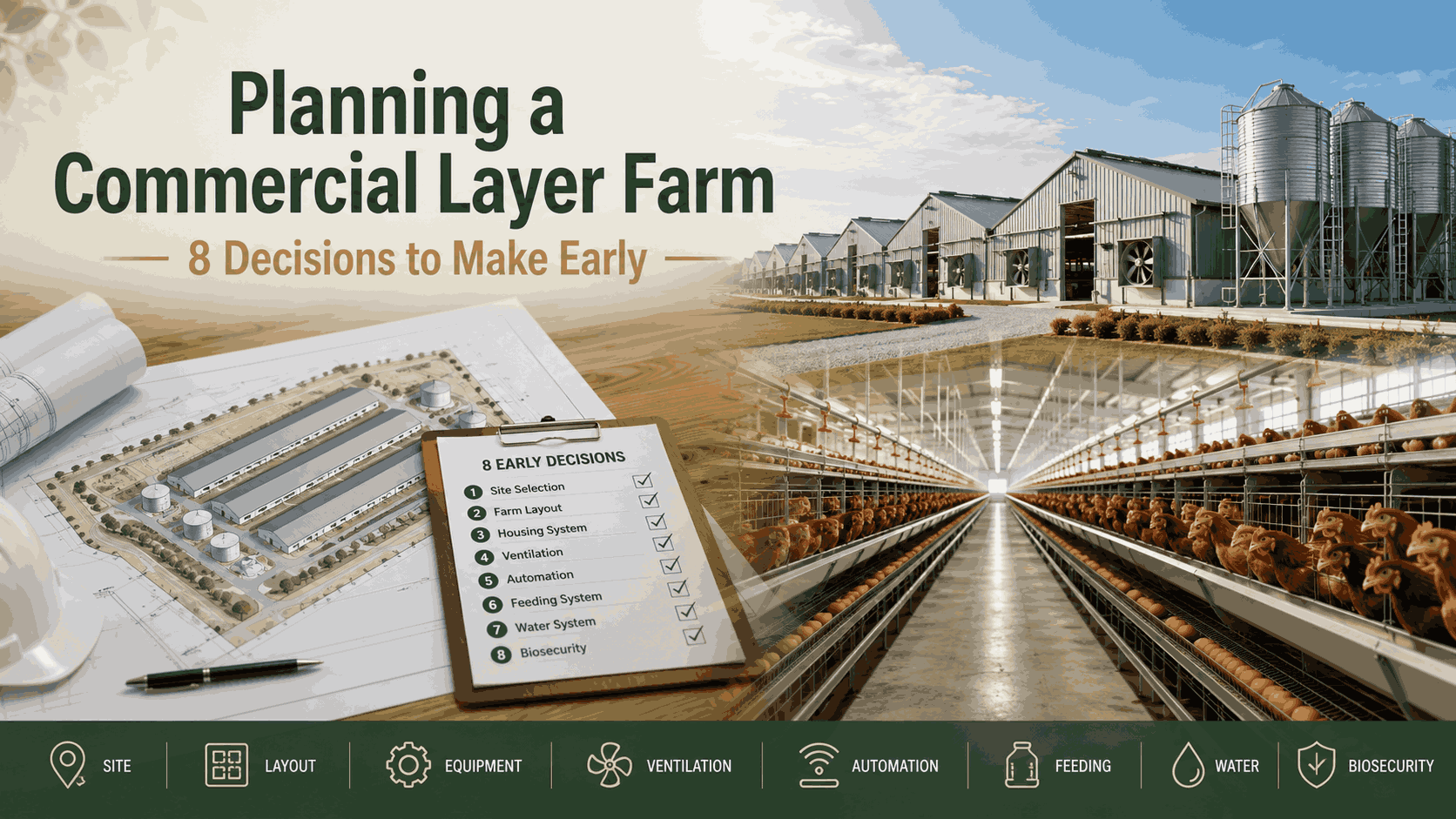 Farm Planning
Planning a Commercial Layer Farm: Eight Early Decisions
Read article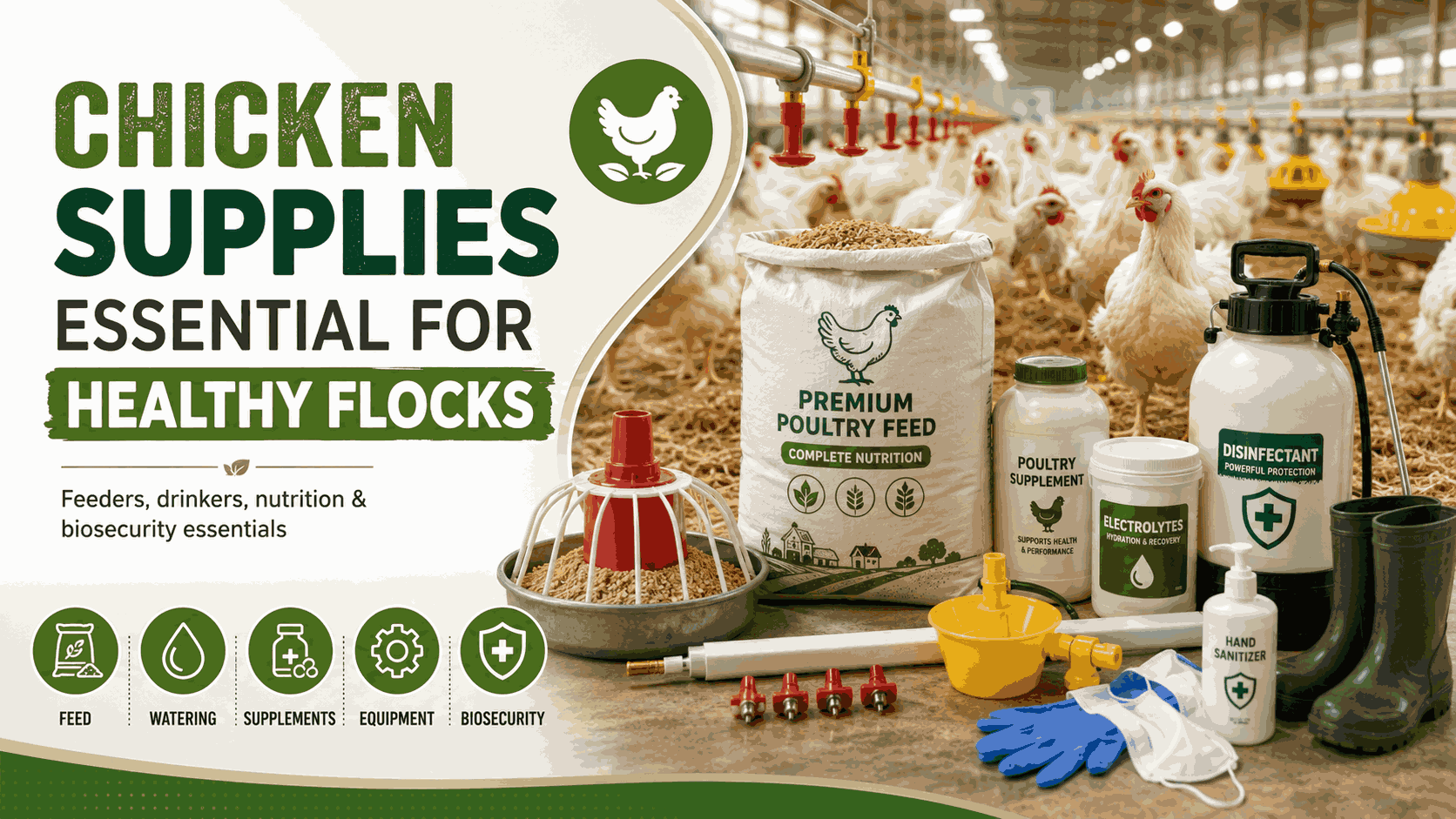 Farm Essentials
Essential Poultry Supplies for a Healthy, Manageable Flock
Read article Poultry Nutrition